Latest News
News list
-

Congratulations to Titus Neupert!
Titus Neupert, was selected by the APS Division of Condensed Matter Physics to become a Fellow of the American Physical Society “For pioneering work on the theory of fractional Chern insulators in lattice models and higher-order topology in quantum materials.”
-
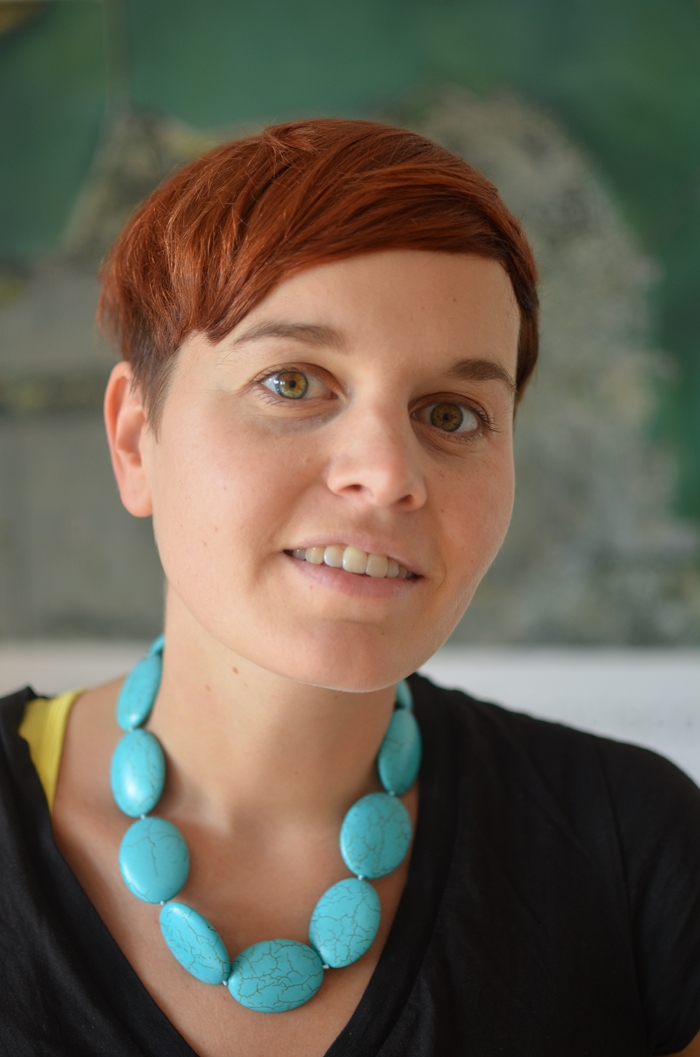
Lea Caminada
Congratulations on the appointment as ad Personam Associate Professor in High-Energy Physics.
-
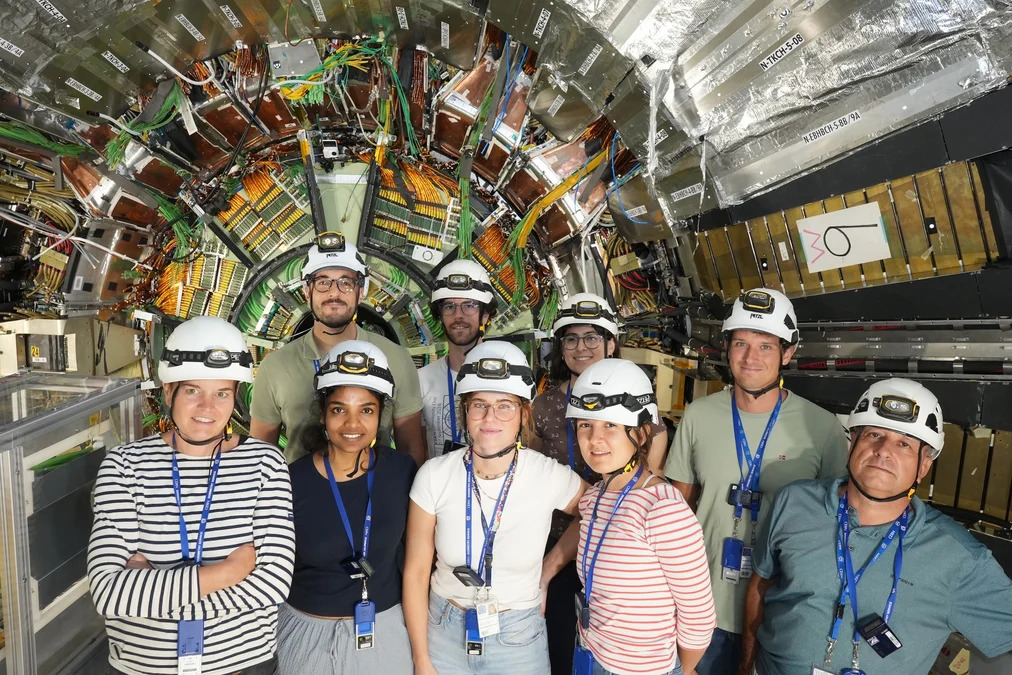
Successful removal of the CMS Barrel Pixel Detector
On 9 September 2026, PSI-UZH team successfully extracted the Phase-1 Barrel Pixel Detector from the CMS Detector at CERN. The operation went smoothly and everything went according to plan.
-
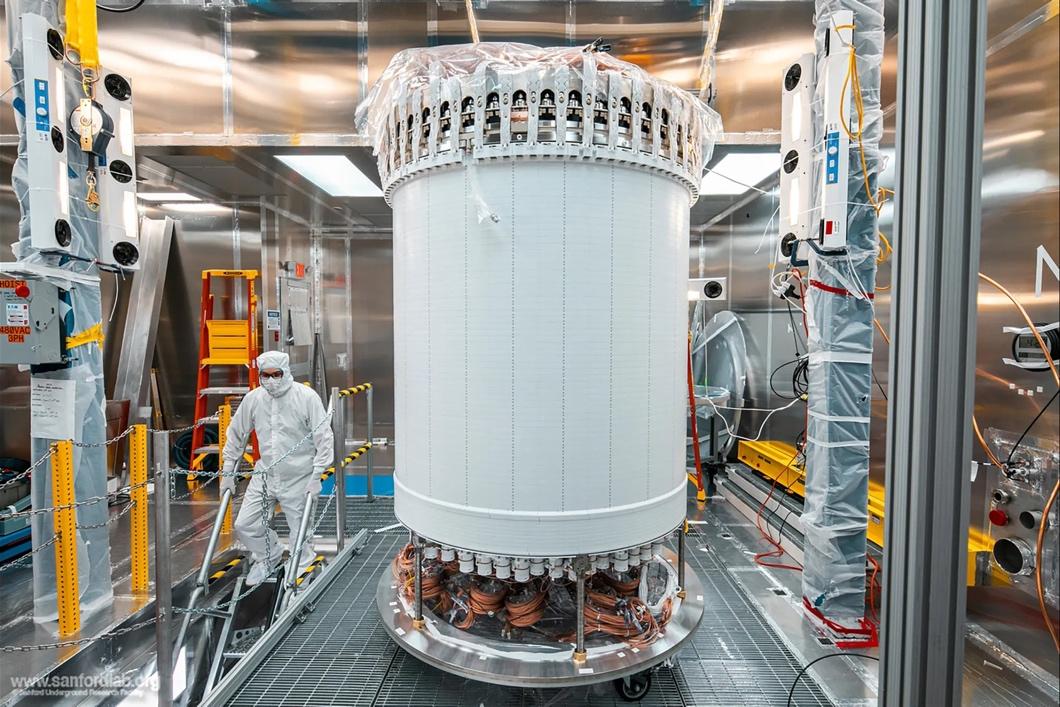
LZ Sees Surprising Result in Search for Dark Matter
The LUX-ZEPLIN experiment observed a particle interaction that could be interpreted as a signal from a dark matter candidate . The group led by Prof. Dr. Björn Penning plays a key role in the collection and analysis of the data.
-
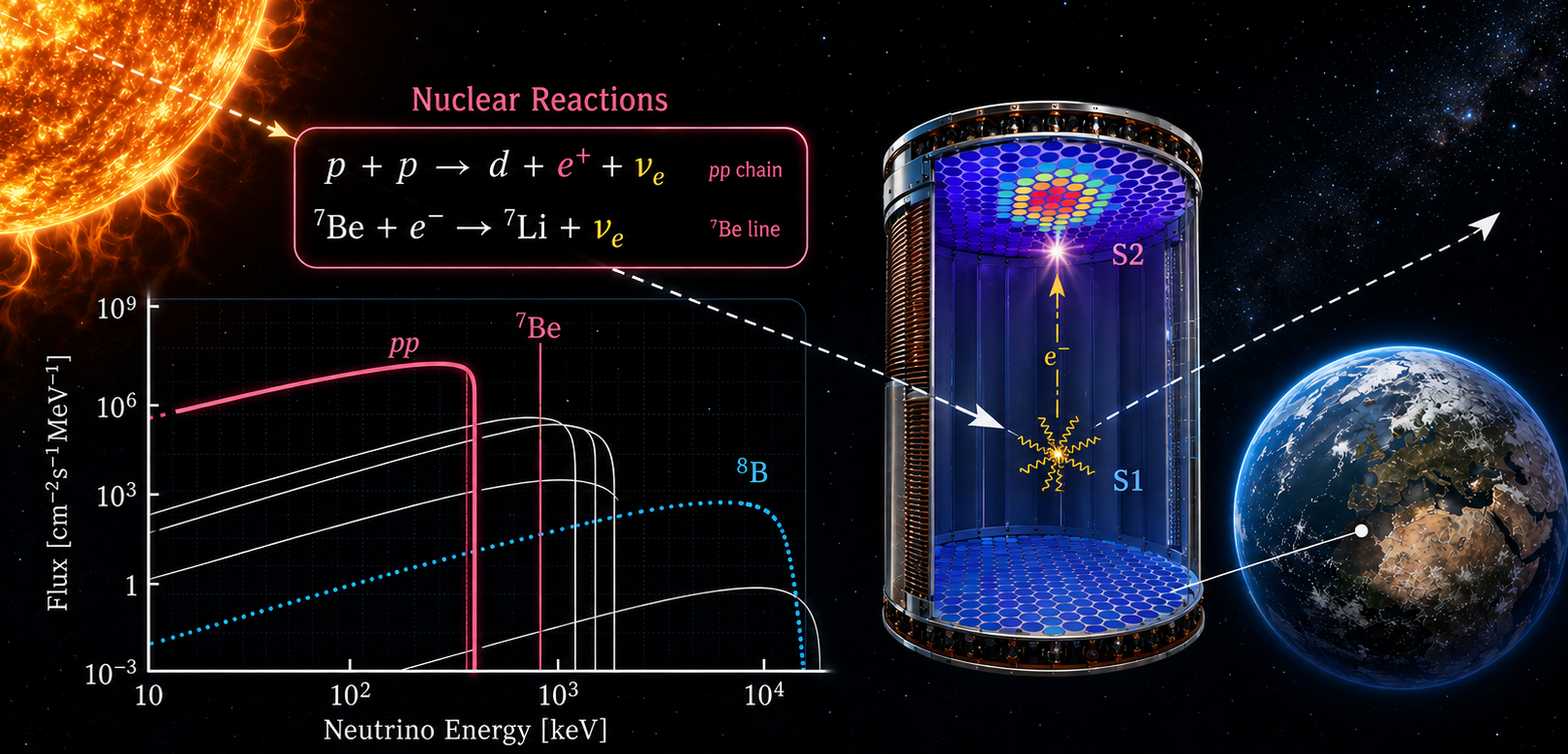
XENONnT: First Measurement of Low-Energy Solar Neutrinos Scattering off Electrons
Scientists from the XENON collaboration have, for the first time, observed low-energy solar neutrinos scattering off electrons in the XENONnT particle detector. The group led by Prof. Dr. Laura Baudis at the Physics department at the University of Zurich is participating in the experiment.
-
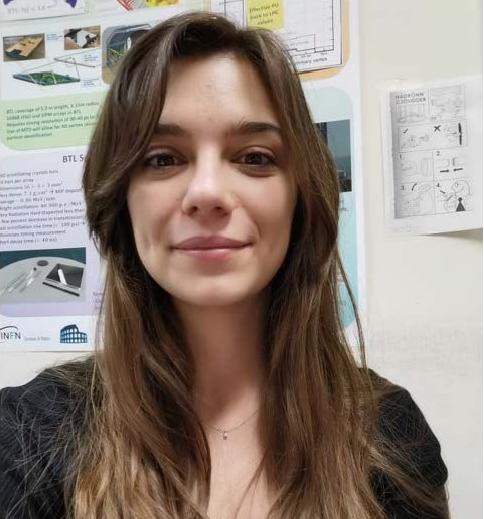
Congratulations Raffaella Tramontana
for winning the CHIPP postdoc prize for her original and broad experimental programme within the CMS collaboration, combining innovative Higgs and Beyond-the-Standard-Model physics analyses with major contributions to detector performance, software development, and leadership during her postdoctoral period at the University of Zurich.
-

Four new Ambizione fellows
Through the Ambizione programme, the SNSF supports early-career researchers. In the 2025 call for proposals, 22 researchers from UZH received funding for their projects; four of them will be working at the Institute of Physics.
Congratulations Ömer Mert Aksoy, Zeno Capatti, Martina Ferrillo and Valeriia Lukashenko
-

Four UZH plenary talks at ICHEP
Four speakers from UZH gave plenary talks at ICHEP 2026 (43rd International Congference on High Energy Physics) in Brazil: Gino Isidori, Marcelle Soares-Santos, Björn Penning and Florencia Canelli who gave the summary talk.
-

Differentiation of site-specific symmetry breaking orders in cuprate
Solid matter is classified through symmetry of ordering phenomena. Experimentally, this approach is straightforward, except when distinct orderings occur with almost identical symmetry breaking.
The group of Johan Chang could show that the cuprate system Y1−xPrxBa2Cu3O6+y hosts two distinct orderings with almost identical periodicity. Differentiating these orders provides an important clue to the anomalous behavior of this material, which unlike the isostructural members of the 123-family of high-temperature cuprates, does not display superconductivity.
-

The Vera C. Rubin Observatory starts 10 year cosmic survey
The 10-year Legacy Survey of Space and Time has officially started, marking the beginning of a new era in astronomy and astrophysics (more).
At our institute the group of Marcelle Soares Santos contributed to commissioning of the LSST camera on the telescope, data taking and data analysis.
Image: Vera C. Rubin Observatory -

Dark matter and planetary systems at the Swiss-Korean Innovation Week
Laura Baudis and Ravit Helled represented UZH at the 2026 Swiss-Korean Innovation Week in Seoul, contributing to scientific sessions on dark matter searches, planetary systems, and future space-related research collaborations between Switzerland and Korea.
-
New platform for realizing non-Abelian gauge fields
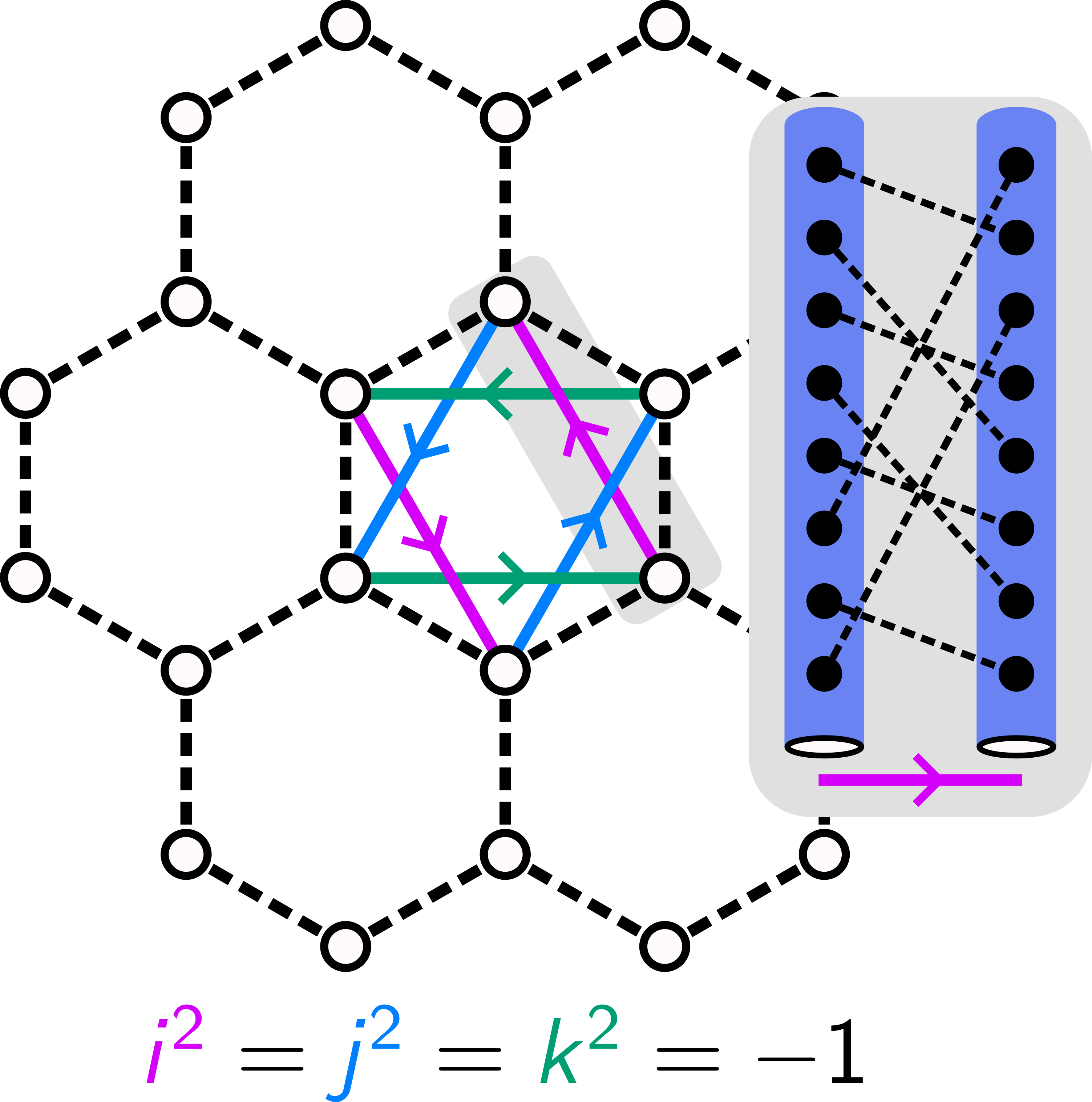
In their Nature Communications work, Zoltán Guba and Lavi Upreti from the group of Tomáš Bzdušek present a new platform for combining topological band structures with non-Abelian gauge fields.
The work, carried in collaboration with Robert-Jan Slager at the University of Manchester, utilizes a crystalline construction called Cayley-Schreier lattice and provides a blueprint for implementing such lattices in synthetic crystals. Notably, the reported scheme realizes arbitrary gauge fields using solely real couplings—in contrast to formerly considered approaches that require coupling with complex phases.
Curiously, the Cayley-Schreier construction involves a rich inherent structure: the resulting Hamiltonian separates into decoupled symmetry sectors, with each sector experiencing its own emergent gauge field. As a result, a single crystalline structure can host distinct sector-dependent topological phases. The authors specifically illustrate how the Kane-Mele model—a paradigm model of two-dimensional topological insulator—can be conveniently realized in a Cayley-Schreier lattice.
Publication: Nat. Commun. 17, 4669 (2026). https://doi.org/10.1038/s41467-026-71401-3
-

Marie Skłodowska-Curie postdoc grant for Lavi Upreti
Lavi Upreti got a prestigious Marie Skłodowska-Curie postdoc grant in the group Bzdušek. His project "CayLat" will explore simulation of non-Abelian gauge fields and of matter with projectively represented space group symmetry in crystalline constructions called Cayley-Schreier lattices.
-
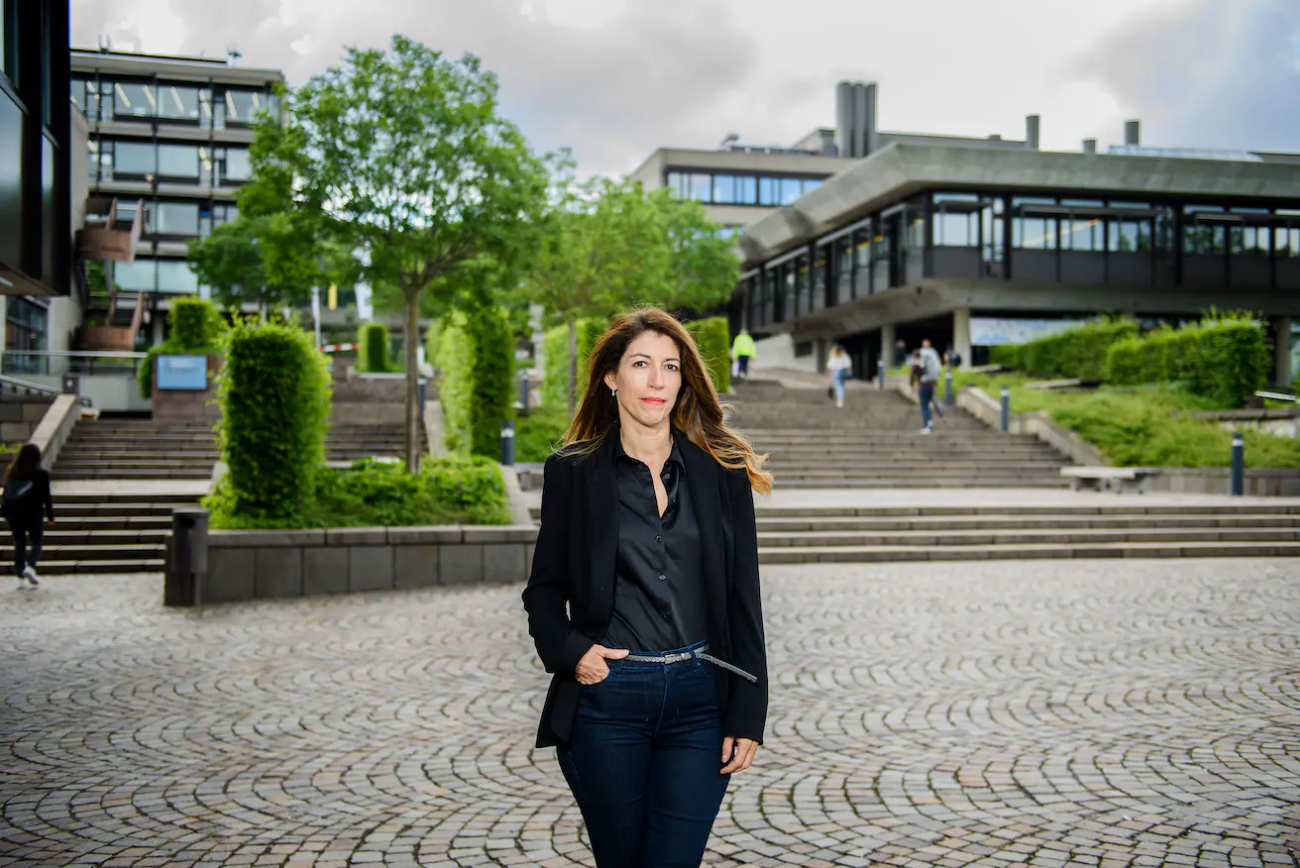
Florencia Canelli appointed as CMS Deputy Spokesperson
Florencia Canelli has been appointed as Deputy Spokesperson of the CMS experiment and will be in office until 31 August 2028.
-
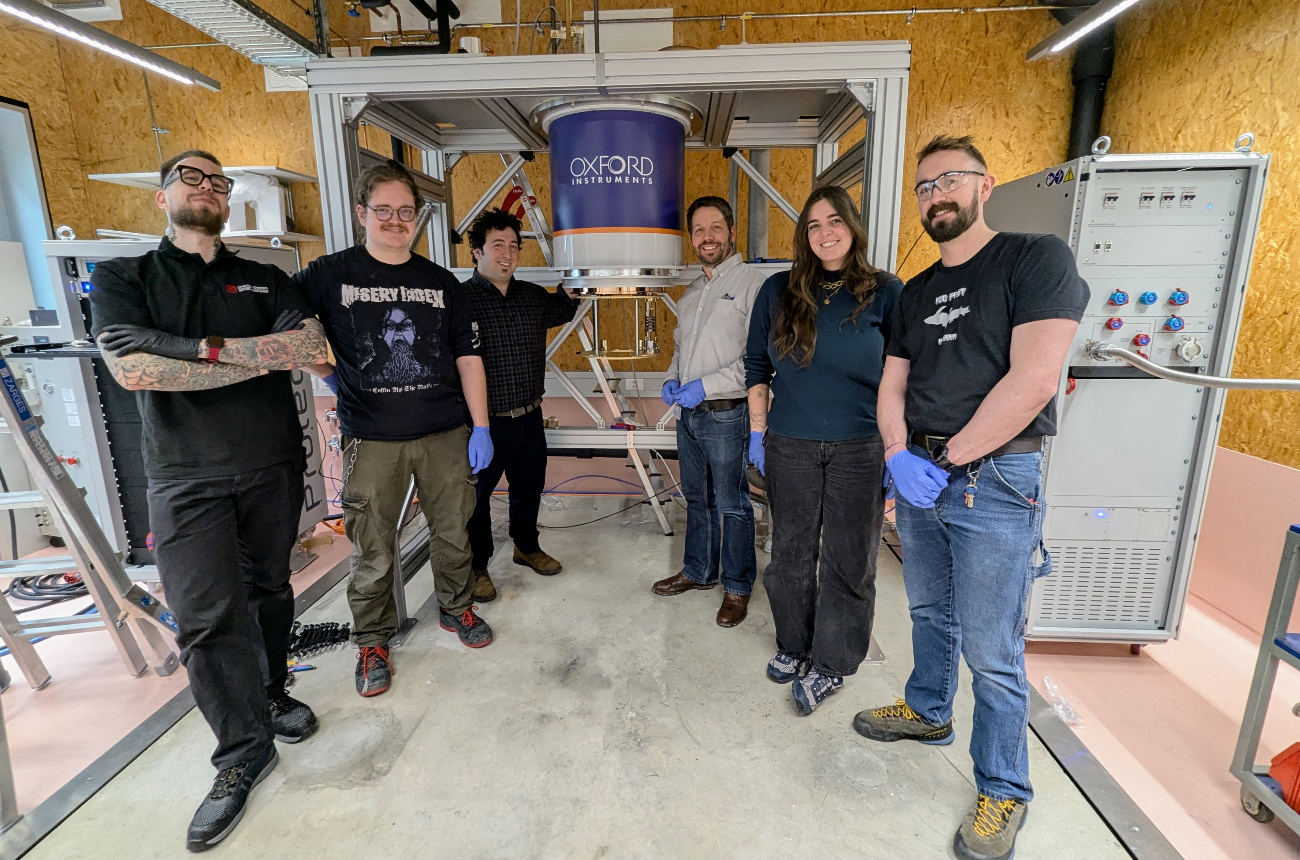
New Dilution Fridge in Y56
An Oxford Instruments dilution fridge was installed and commissioned in the new ultra-low temperature lab for dark matter searches and the development of quantum sensors in Y56.
-
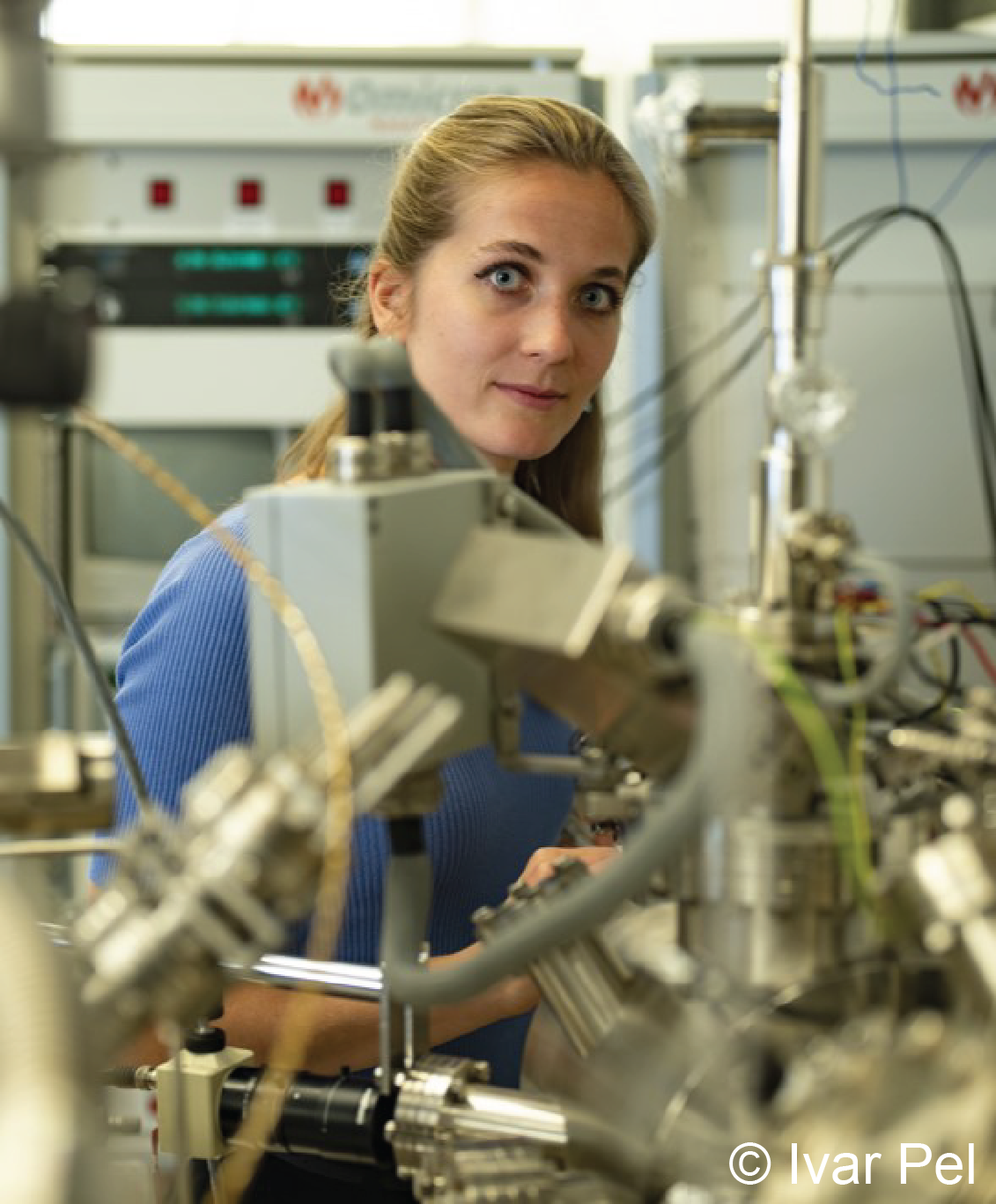
Marie Skłodowska-Curie postdoc grant for Rian Ligthart
Rian Ligthart (postdoc in group Natterer) won a Marie Skłodowska-Curie postdoc grant.
Her project "WAVE" will explore suspended Weyl materials in the few to single layer limit using scanning tunneling microscopy tools developed at UZH.
-

NCCR Muoniverse approved with UZH as co-leading house
UZH and PSI will jointly host the National Center for Competence in Research (NCCR) Muoniverse, which brings together more than 30 teams across Switzerland to use muons for fundamental science and applications-oriented research.
-
Physik-Institut participating in NASA study to track the Artemis II moon mission
NASA's Artemis II mission will launch in February 2026 with four astronauts on board for the first crewed mission around the moon in over 50 years. In August 2025, non-NASA organizations were invited to apply for a study to find out if and how data from small receiving stations can be used to determine the trajectory of the Orion spacecraft.
The radio telescope installed on the roof of building Y36 as part of the “Schulen am Irchel” project is capable of performing very precise frequency measurements at 2216 MHz and, using the Doppler effect, measuring the relative speed to the spacecraft very accurately. In January 2026, NASA announced the participants in this study: 34 organizations and private individuals spread across 14 countries, including the University of Zurich. The plan is to define and implement a corresponding observation program in collaboration with students from UZH and KZN.
-
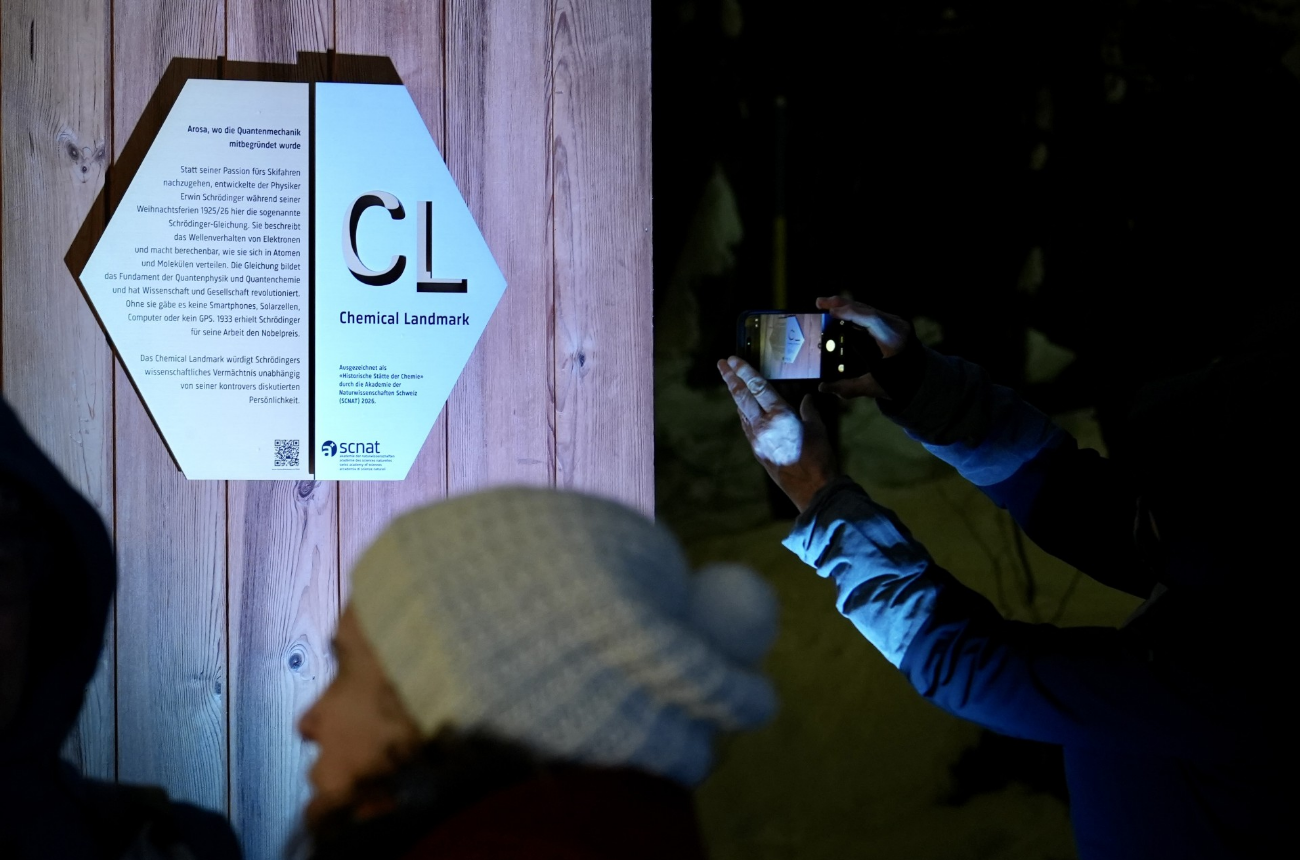
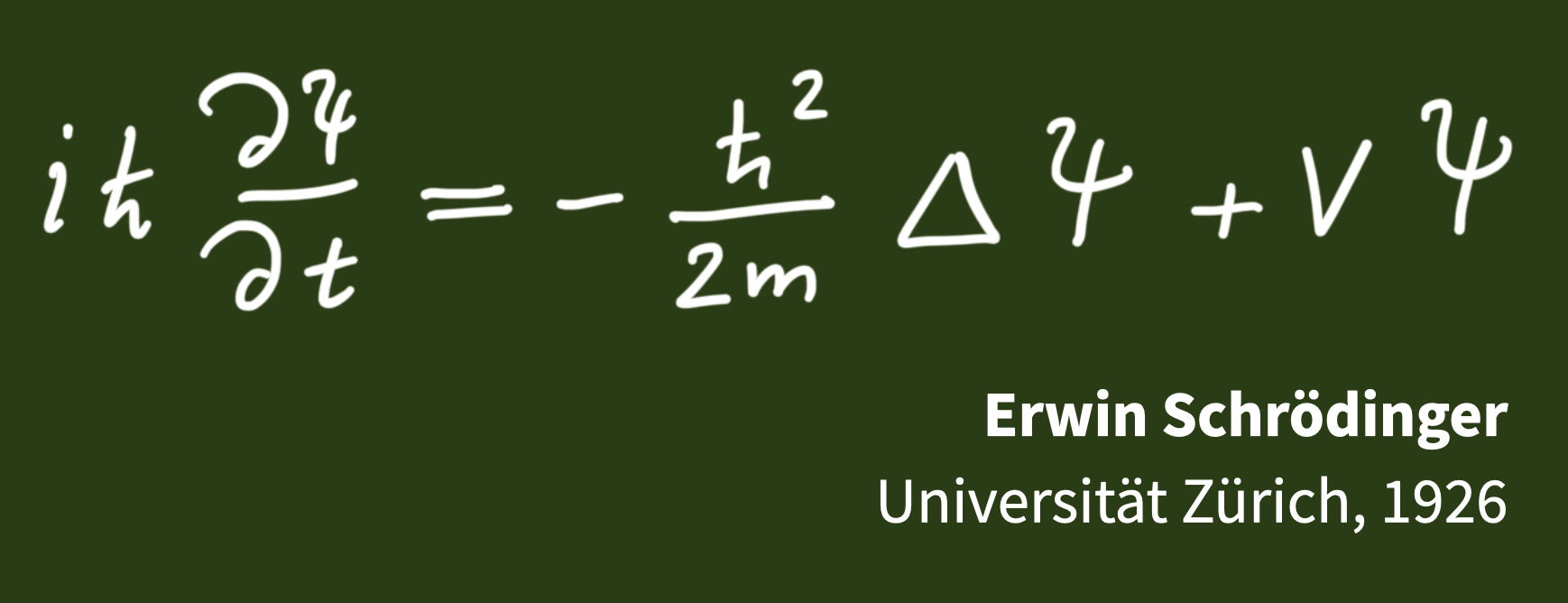
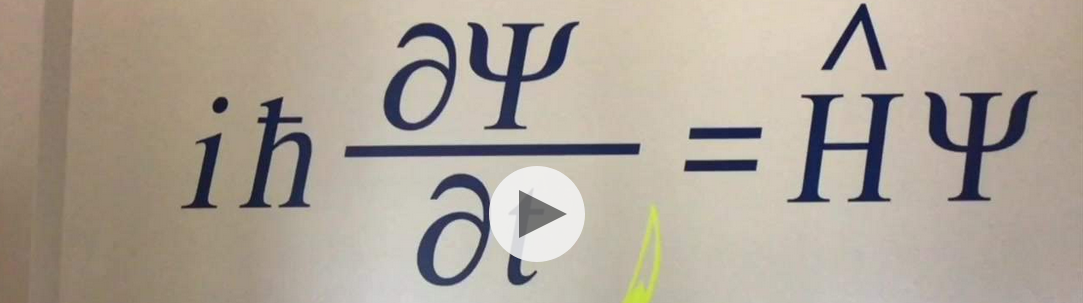
100 years Schrödinger Equation - chemical landmark in Arosa
In Arosa, Erwin Schrödinger laid the foundations of quantum physics and quantum chemistry, subsequently revolutionizing science and society. This site has now been recognized as Chemical Landmark by SCNAT.
Erwin Schrödinger was a professor at the University of Zurich from 1921 to 1927, and during this time he revolutionized physics by creating a new atomic theory: matter – for example, electrons – has both particle and wave properties. This contradicted the prevailing opinion of leading physicists of the time, who assumed that electrons were particles. With this, he laid the foundation for quantum physics and quantum chemistry and was awarded the Nobel Prize in Physics in 1933. Arosa played a central role in this scientific achievement and has now received a Chemical Landmark from the Swiss Academy of Sciences (SCNAT).
-
Chiral surface states from 3D Landau bands
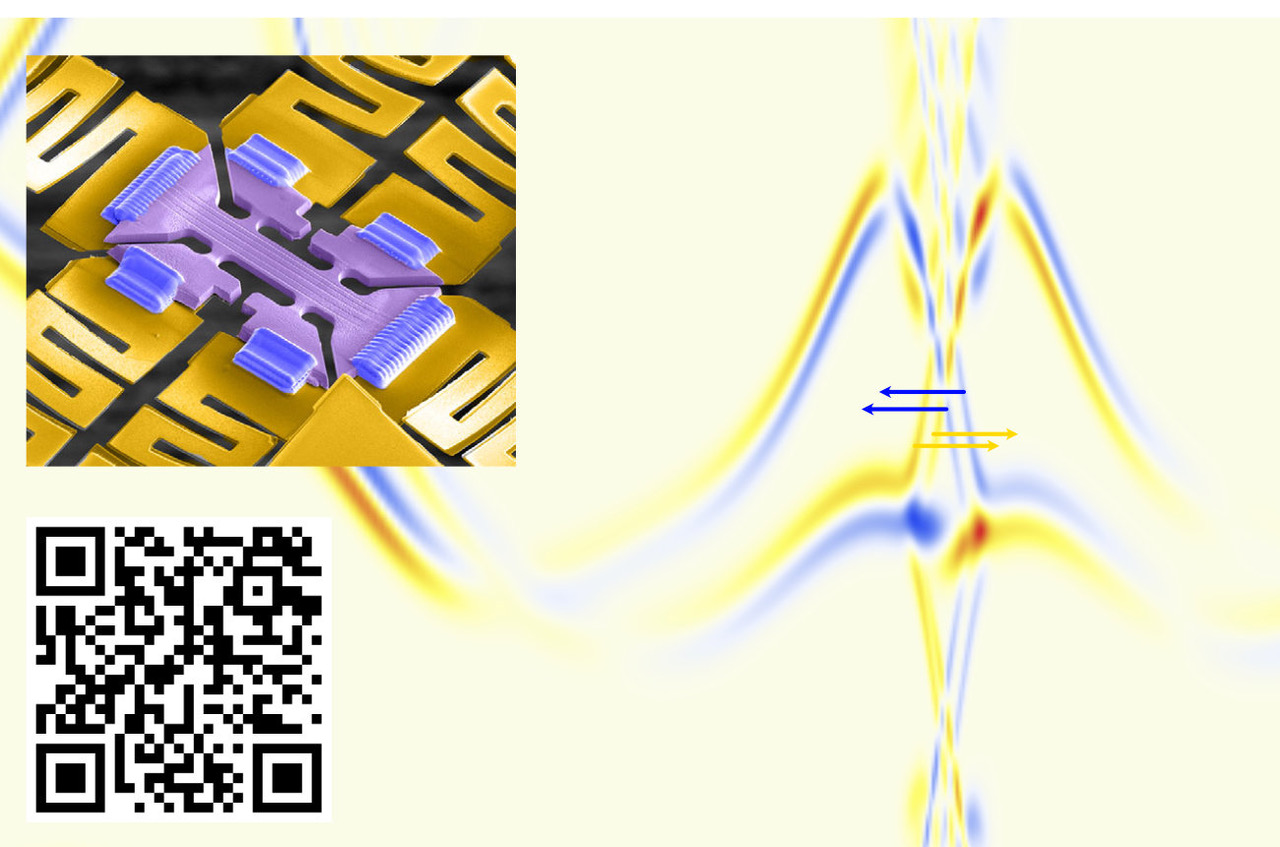
In a collaboration with the group of Philip J. W. Moll (MPI Hamburg), Mark H Fischer and Titus Neupert have studied the enhanced surface conduction in the quantum limit of the 3D semimetal bismuth. In particular, the researchers found an increase in conductivity as material is removed by a focused ion beam, a finding contrasting the intuitive expectation. Three-dimensional chiral surface states – 3D analogues of the well-known quantum Hall states in 2D – naturally account for the observed increase. The researchers' results, published in the journal Nature Physics, introduce a new approach for utilizing chiral conduction on the surfaces of 3D materials, offering a host of design options lacking in two-dimensional systems.
DOI: https://doi.org/10.1038/s41567-025-03146-7
The figure shows the Surface spectral function of a Bi slab in a strong magnetic field, the inset scanning electron microscopy images of a microstructured bismuth.
-
Physicists Met at UZH to Empower Tensor Networks
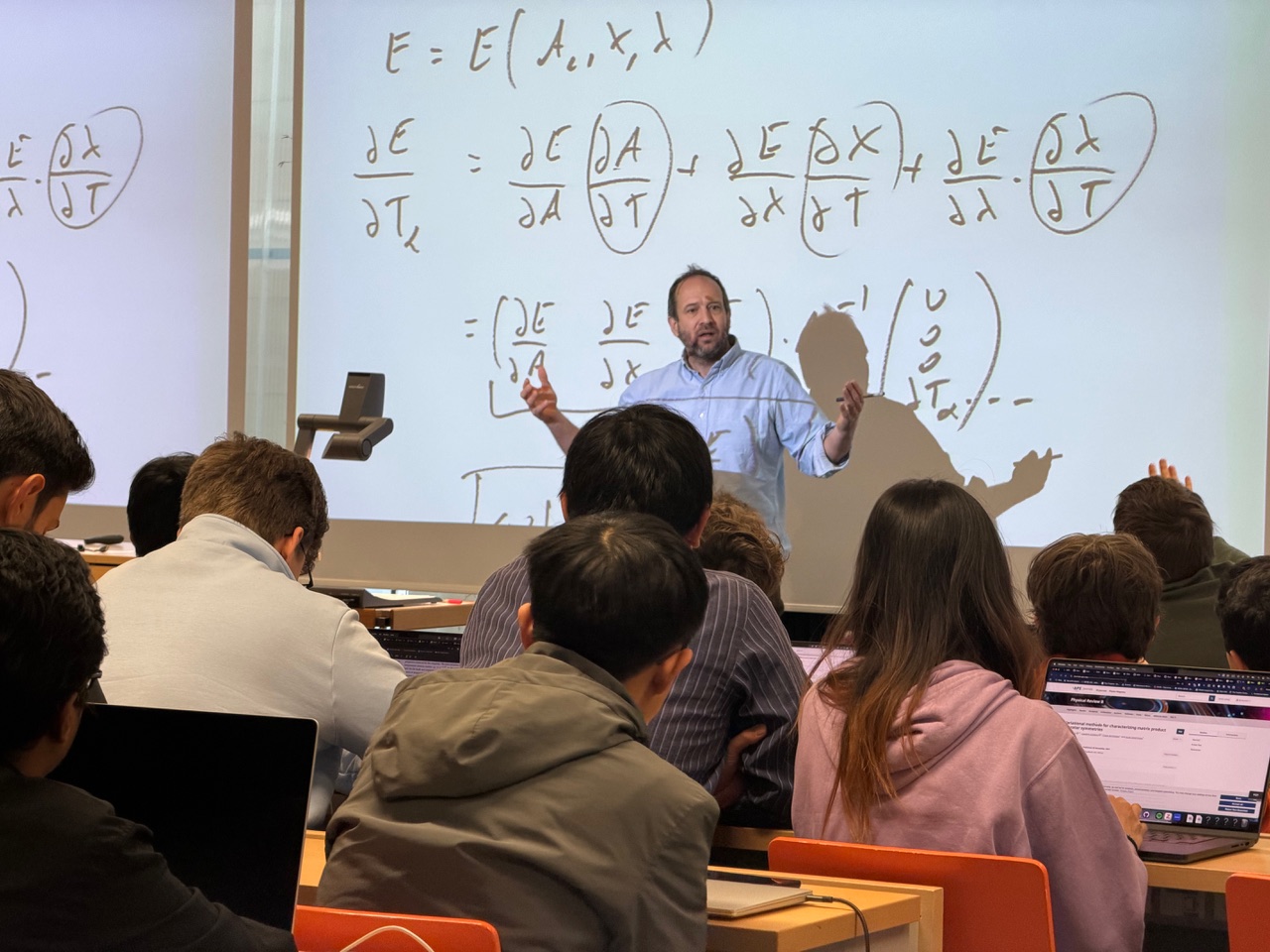
From 14–16 January 2026, the Department of Physics at the University of Zurich hosted FIXNET 2026, a three‑day in‑person workshop dedicated to fixed-point optimization in tensor networks for quantum matter. The event brought together leading experts and early‑career researchers to discuss recent advances in numerical methods for simulating strongly correlated quantum materials—systems central to phenomena such as high‑temperature superconductivity, quantum magnetism, and topological phases.
The workshop was organized as a Pauli Center workshop by a team spanning UZH, ETH Zurich, and international partners with support from the MaNEP Network and the Swiss National Science Foundation. With a strong lineup of speakers from major research institutions across Europe and beyond, FIXNET 2026 strengthened Zurich’s role as a hub for innovation in computational quantum physics.
Additional Information
- 10/26 Titus Neupert elected as APS Fellow
- 10/26 Lea Caminada ad Personam Associate Professor in High-Energy Physics
- 09/26 Successful removal of CMS Barrel Pixel Detector
- 09/26 LZ Sees Surprising Result in Search for Dark Matter
- 08/26 XENONnT measures low-energy solar neutrinos
- 08/26 CHIPP postdoc prize for Raffaella Tramontana
- 08/26 Four new Ambizione fellows
- 08/26 Four UZH plenary talks at ICHEP
- 07/26 Symmetry breaking orders in cuprits
- 07/26 Vera C. Rubin Observatory starts 10 year cosmic survey
- More News
- Fabian Natterer
- CMS BPIX removed
- LZ Result
- Solar neutrinos at XENONnT
- CHIPP Prize
- SNSF Ambizione
- ICHEP
- Symmetry Breaking Orders
- Vera Rubin Observatory
- Swiss-Korean Innovation Week
- non-Abelian gauge fields
- Rian Ligthart
- Florencia Canelli
- New Dilution Fridge in Y56
- Rian Ligthart
- 100 years Schrödinger Equation
- Physicists Met at UZH to Empower Tensor Networks