Cosmology, Astro- and Astroparticle Physics
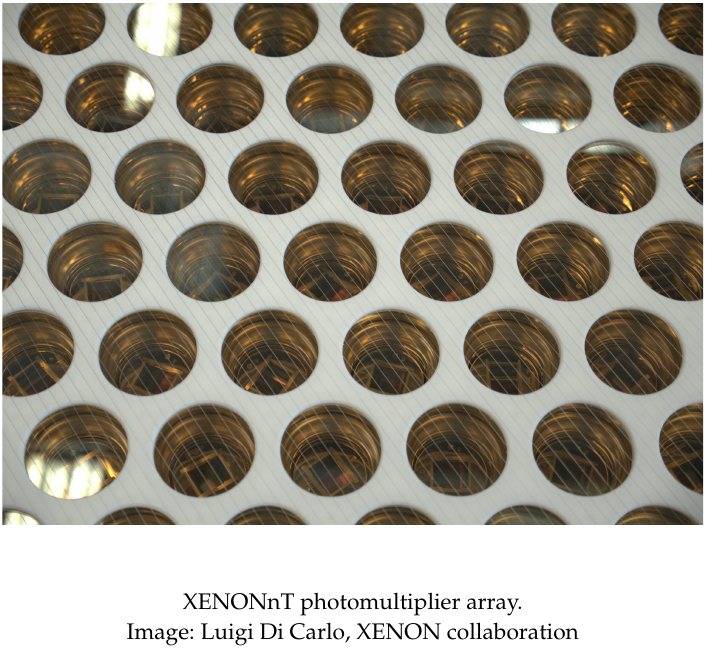
Table of contents
- Prof. Philippe Jetzer - Astrophysics and General Relativity
- Prof. Prasenjit Saha - Theoretical Astrophysics
- Prof. Prasenjit Saha - CTA – Cherenkov Telescope Array
- Prof. Laura Baudis - Astroparticle Physics Experiments
- Prof. Ben Kilminster - DAMIC Experiment
- Prof. Björn Penning - Dark Matter Searches
- Prof. Marcelle Soares-Santos - Astrophysics and Cosmology Experiments
- Groups from the Institute for Astrophysics
Prof. Philippe Jetzer - Astrophysics and General Relativity

LIGO (Laser Interferometer Gravitational-Wave Observatory) together with Virgo aimed to detect gravitational waves in the frequency range from about 10 to 1000 Hz. In 2015 the first gravitational wave signal has been detected. Since then more than 100 events have been found. Our group has made important contributions to the analysis of LIGO/Virgo data and in the modelling of more accurate gravitational waveforms. The latter results are used in LIGO/Virgo data analysis and in future for the Einstein Telescope project and the LISA mission, which was adopted in January 2024 by ESA.
The work of the group is focused on the topic of gravitational waves in the framework of the LIGO Scientific Collaboration and for the future space mission LISA, since our group is involved in both of these international collaborations. In the following we briefly describe some results published in 2025, besides all the works appeared in the framework of the LIGO/Virgo, LISA Pathfinder and LISA collaborations. S. Tiwari and C. García Quirós are both member of the LISA Distributed Data Processing Center (DDPC), and responsible for waveform modelling. They conducted, the first full Bayesian inference analysis for LISA parameter estimation incorporating the effects of subdominant harmonics and spin-precession through a full time domain response. The substantial computational demands of using time domain waveforms for LISA can be significantly mitigated by implementing a novel Python version of the IMRPhenomT family of waveform models and the LISA response with GPU acceleration. This time domain response alleviates the theoretical necessity of developing specific transfer functions to approximate the LISA response in the Fourier domain for each specific type of system and allows for the use of unequal arms configurations and realistic LISA orbits. The analysis includes a series of zero-noise injections for a Massive Black Hole Binary with aligned and precessing spins. They investigated the impact of including subdominant harmonics, compared equal and unequal arm configurations, and analyzed different Time-Delay-Interferometry (TDI) configurations. They used the full and uniform priors, with a lower frequency cutoff of 0.1mHz, and a signal duration of approximately two months, sampled every 5 seconds. The sampler is initialized based on Fisher estimates. The results demonstrate LISA capability to measure the two spin magnitudes and the primary spin tilt angle, alongside sky localization, with percent-level precision, while component masses are determined with sub-percent accuracy.
The stochastic gravitational wave background from compact binary coalescences is expected to be the first detectable stochastic signal via cross-correlation searches with terrestrial detectors. It encodes the cumulative merger history of stellar-mass binaries across cosmic time, offering a unique probe of the high-redshift Universe. However, predicting the background spectrum is challenging due to numerous modeling choices, each with distinct uncertainties. In this work by M. Ebersold and T. Regimbau, they presented a comprehensive forecast of the astrophysical gravitational wave background from binary black holes, binary neutron stars, and neutron star-black hole systems. They systematically assessed the impact of uncertainties in population properties, waveform features, and the modeling of the merger rate evolution. By combining all uncertainties, they derived credible bands for the background spectrum, spanning approximately an order of magnitude in the fractional energy density. These results provide thorough predictions to facilitate the interpretation of current upper limits and future detections.
-
-
- Zoom
-
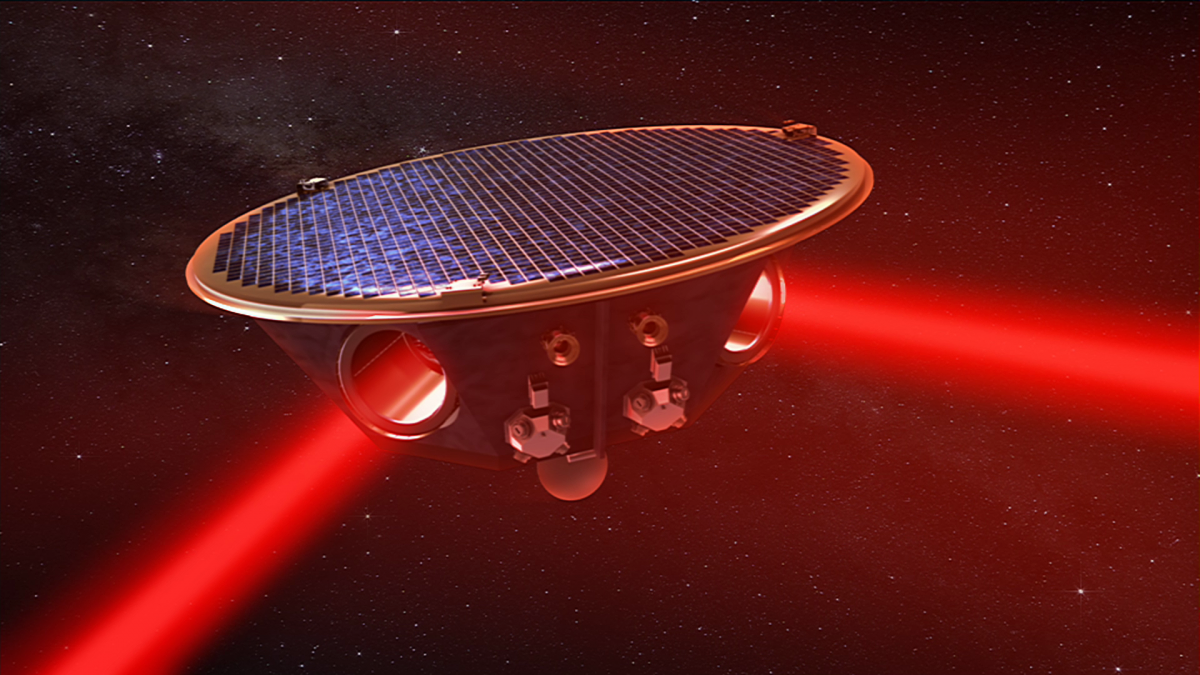
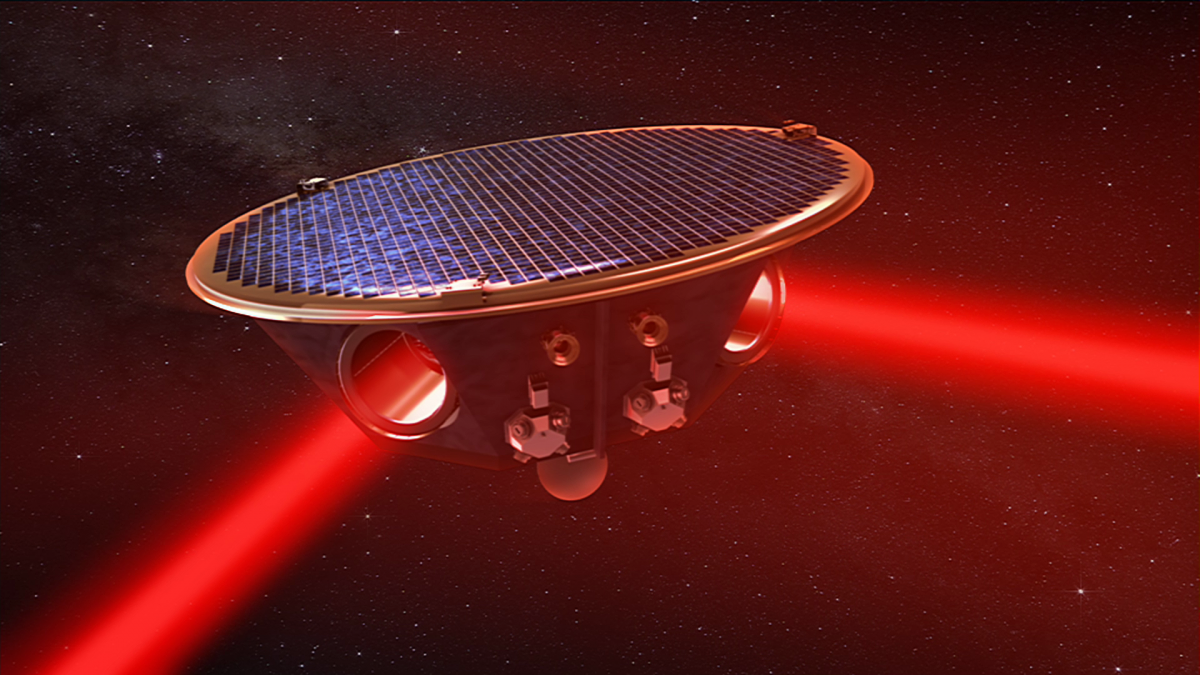
Artist’s illustration of one of the three LISA spacecrafts (@ Max Planck Institute for Gravitational Physics).
Highlighted Publications: -
- GPU-accelerated LISA parameter estimation with full time domain response,
Phys. Rev. D112 (2025), 064017, arXiv:2501.08261. - Uncertainty in predicting the stochastic gravitational wave background from compact binary coalescences,
Phys. Rev. D (2026), arXiv:2510.02163.
Prof. Prasenjit Saha - Theoretical Astrophysics

Our recent research has been understanding the processes inside galaxies, and especially on what upcoming observations may tell us.
It is the light from stars and the interstellar medium that makes galaxies strikingly beautiful. But there is much else going on in galaxies, that is not so apparent. Three aspects we have explored are the following.
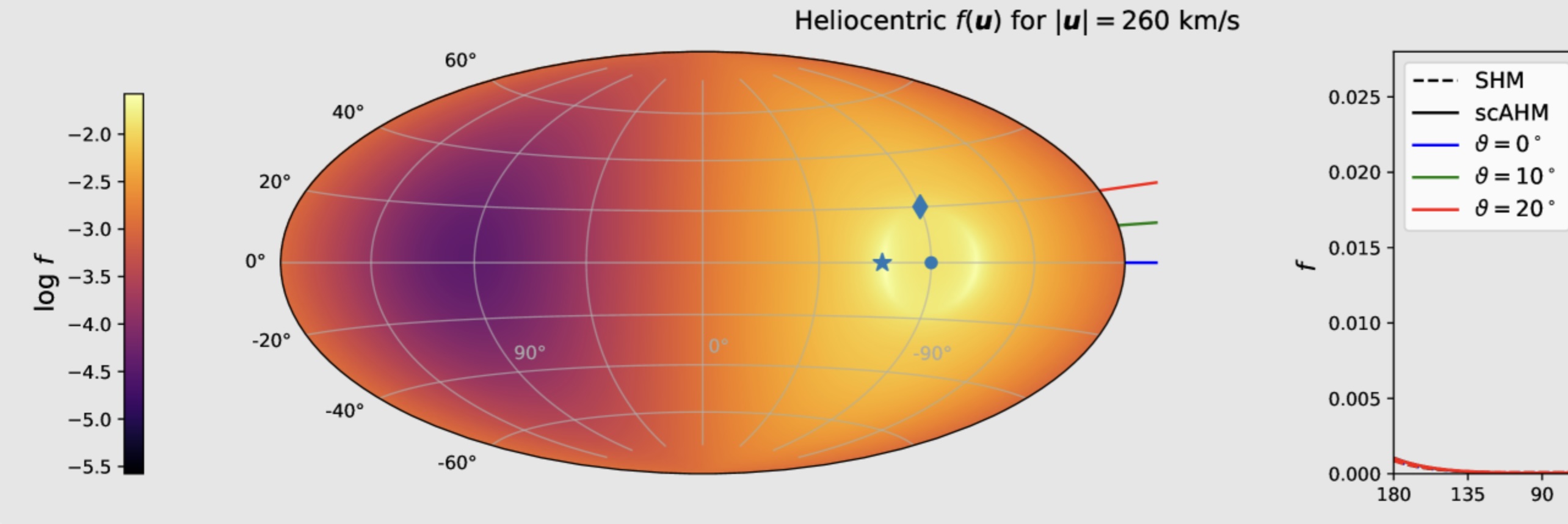
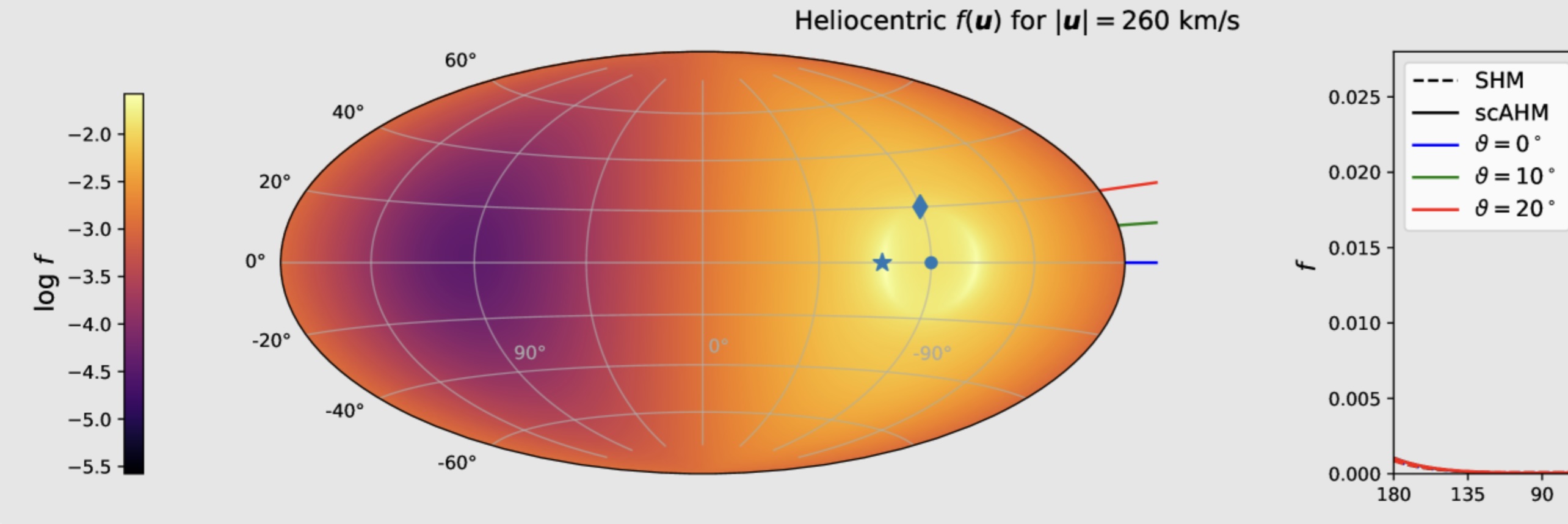
First the local flux of dark matter at the Earth from different directions (see the accompanying figure) including the effects of recent accretions into the Milky Way.
Second, the mass function of stars (and primordial black holes, if they exist), and how the gravitational lensing of fast radio bursts could help measure it.
Third, the role of supermassive black holes, and in particular, how mergers through the history of the universe could be studied using deep-space missions as as detectors of long-period gravitational waves.
-
-
- Zoom
-
Dark-Matter particle flux from different sky directions, according to current models of the Milky Way.
-
- Highlighted Publications:
- Dark Matter particle flux in a dynamically self-consistent Milky Way model,
L. Stanic et al.,
Open Journal of Astrophysics, vol 8, eid. 58 (2025) - Gravitational lensing of fast radio bursts: prospects for probing microlens populations in lensing galaxies,
A. K. Meena & P. Saha,
Phys Rev D, vol 112, eid. 123012 (2025)
Prof. Prasenjit Saha - CTA – Cherenkov Telescope Array
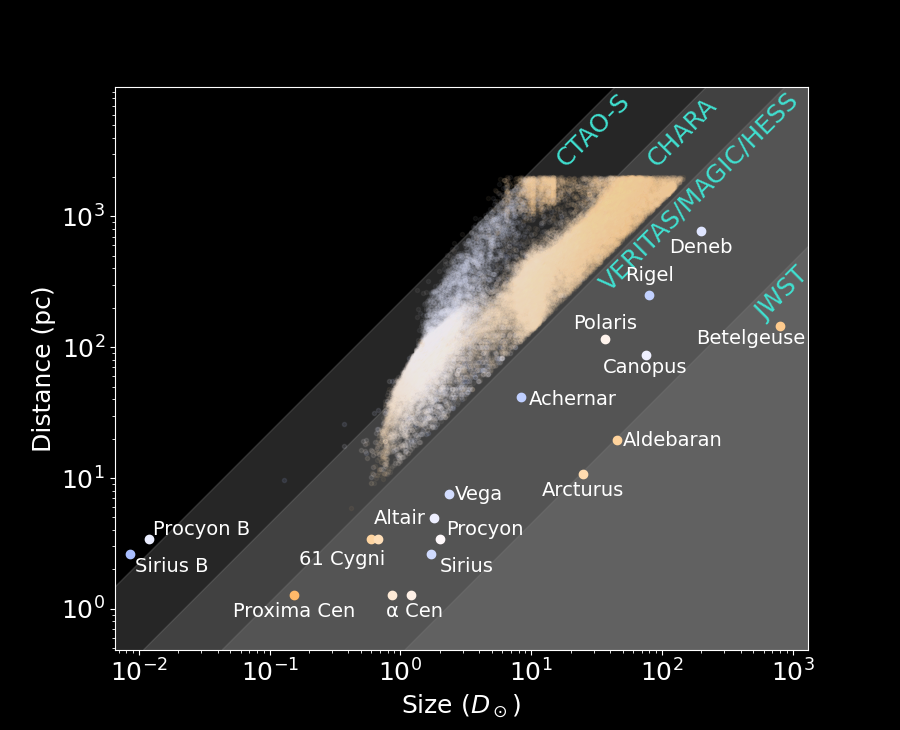
The CTAO is a next-generation facility to observe high-energy sources in the Milky Way and beyond. It is designed especially for gamma-ray photons from 10 GeV to above 100 GeV, detecting these indirectly through their optical Cherenkov showers in the atmosphere. Fortuitously, the facility would also have a second observing mode as a stellar intensity interferometer (SII).
We have continued our developmental simulation work on the CTAO as an intensity interferometer. Stellar-populations of interest have been identified, and preparation of target lists is in progress.
-
-
- Zoom
- Sizes and distances of stars (colors indicate effective temperatures), showing the angular-resolution frontier of the SII mode of CTAO.
-
Highlighted Publications:
- Intensity Interferometry prospects with the CTAO,
J. Biteau et al., Proc. ICRC 39, 939 (2025)
Prof. Laura Baudis - Astroparticle Physics Experiments

We study the composition of dark matter in the Universe and the fundamental nature of neutrinos. We build and operate ultra low-background experiments to detect dark matter particles, to search for the neutrinoless double beta decay, to observe solar neutrinos and search for other ultra-rare interactions. We are members of the XENON collaboration, which operates xenon time projection chambers to search for rare interactions such as from dark matter, and of XLZD with the goal of building a 80 t liquid xenon observatory to address fundamental questions in astroparticle physics.
We participate in the LEGEND-200 experiment, which looks for the neutrinoless double beta decay of 76 Ge in high-purity Ge crystals immersed in liquid argon, with an unprecedented sensitivity. We also conduct R&D for the future, ton-scale experiment LEGEND-1000.
We are co-founders of Qrocodile, a quantum-sensor based experiment to search for low-mass dark matter particles. We also constructed and operate Xenoscope, the world’s tallest two-phase xenon TPC.
First LEGEND-200 Results on Ge Neutrinoless Double-BetaDecay
The LEGEND project is designed to search for the ultra-rare neutrinoless double beta decay (0νββ) of 76Ge with a half- life discovery sensitivity beyond 1028 yr in its latest phase, LEGEND-1000. An observation of this hypothetical process could shed light on the imbalance between matter and antimatter in our Universe and on the true nature of neutrinos, in particular whether they are Majorana particles. Located underground at the Laboratori Nazionali del Gran Sasso, the first phase of the project, LEGEND-200, operated an array of 142 kg of high-purity germanium (HPGe) detectors in its first physics campaign (Mar. 2023-Feb. 2024). The HPGe diodes, isotopically enriched up to 92% in 76 Ge, were directly operated in liquid argon.
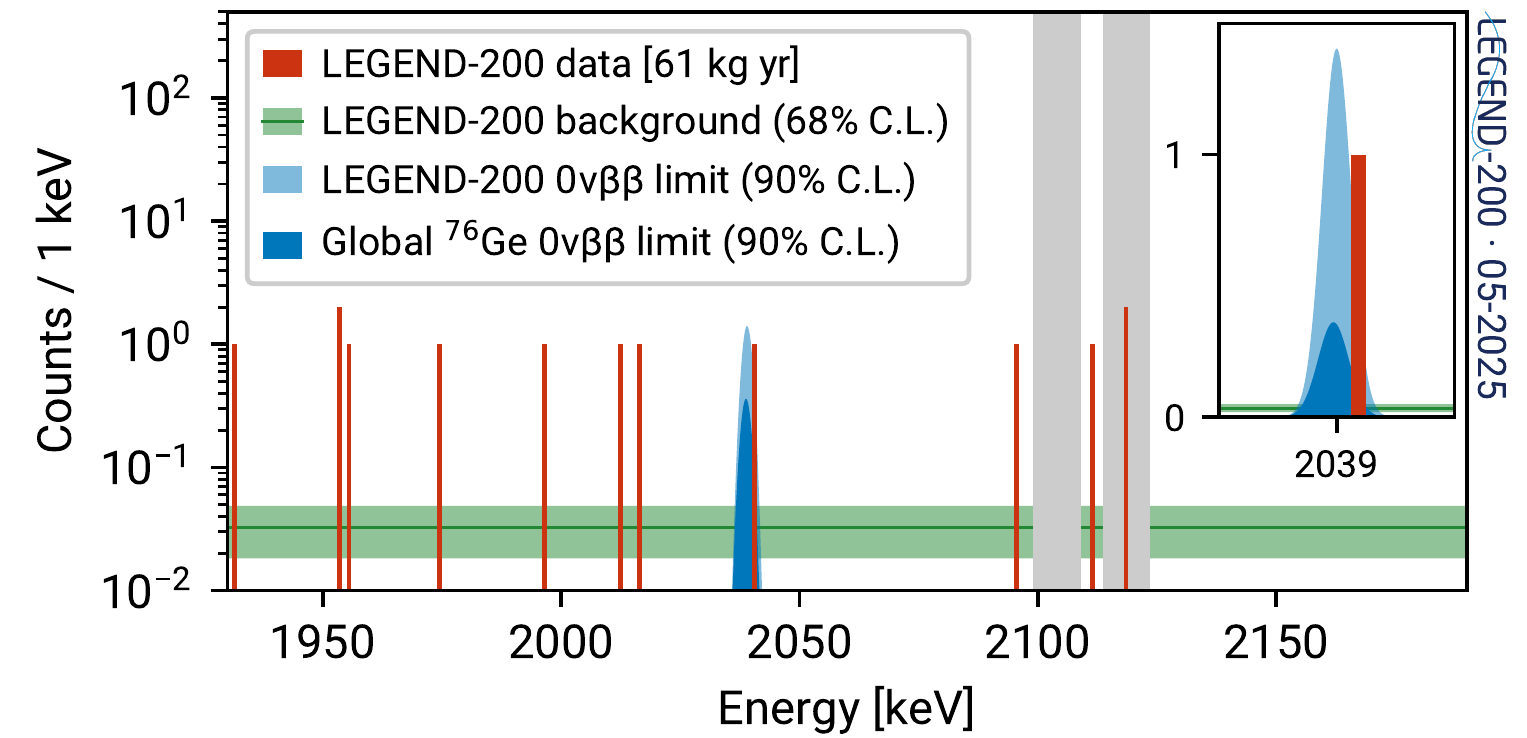
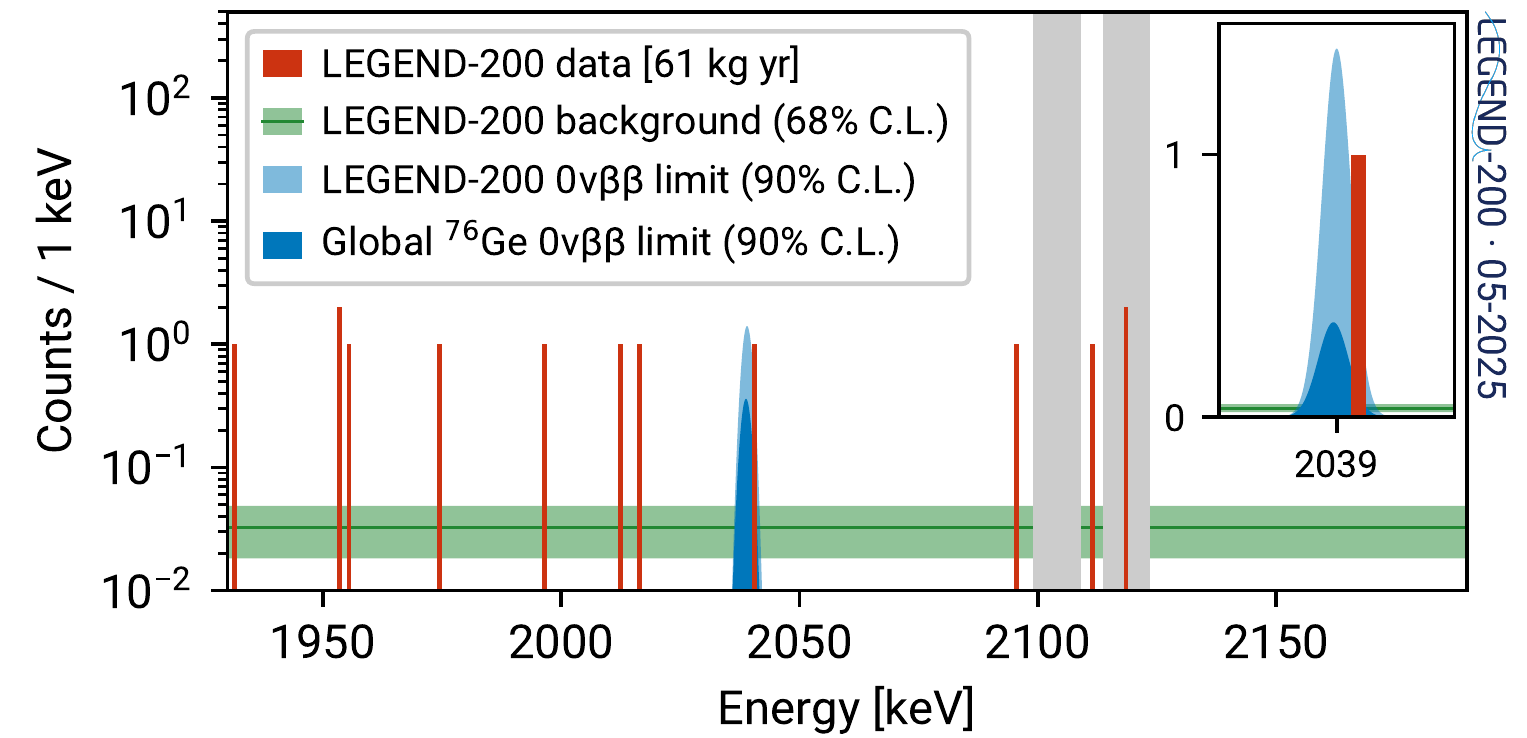
LEGEND-200 has recently reported first results, performing a blind search with an exposure of 61 kg yr. Over half of this exposure comes from the highest performing HPGe detectors, including newly developed inverted-coaxial detectors, and is characterized by an estimated background level of 0.5−0.2+0.3 cts/(keV ton yr) in the 0νββ decay signal region. No evidence for 0νββ decay was observed, and a new lower limit on the half-life of T1/20ν > 1.9 × 1026 yr at 90% confidence level was established. Combining this result with previous germanium-based experiments, GERDA and MAJORANA Demonstrator, yields a sensitivity exceeding 2.8 × 1026 yr, corresponding to an upper bound on the effective Majorana neutrino mass of m ββ <75-200 meV.
The UZH group played a central role in the design and deployment of the source insertion systems, the characterization of the custom low-neutron-emission 228 Th calibration sources, and the determination of source-induced backgrounds. In addition, UZH led the development of the bayesian analysis framework used for the final 0νββ decay search, resulting in a T1/2 0ν 90% credibility interval consistent with the frequentist result.
The LEGEND-200 results demonstrate the excellent calibration stability and analysis performance achieved by LEGEND and represent an important milestone toward the next-generation 0νββ experiment LEGEND-1000, which aims to fully explore the inverted neutrino mass ordering.
-
- Zoom
-
LEGEND-200 energy spectrum (61.0 kg yr) in the 1930-2190 keV 0νββ signal region. Confidence intervals from the frequentist analysis are visualized for the background index (68% C.L., in green) and for the signal strength (90% C.L., in blue). The dark blue interval represents the combined 76 Ge limit with GERDA and MAJORANA Demonstrator. Gray bands ( ± 5 keV around known γ-lines) are ex- cluded from the fit.
Highlighted Publications:
- First Results on the Search for Lepton Number Violating Neutrinoless Double-β Decay with the LEGEND- 200 Experiment,
LEGEND Collab. (H. Acharya et al.),
Phys. Rev. Lett. 136 (2026) 022701 - WIMP Dark Matter Search Using a 3.1 Tonne-Year Ex- posure of the XENONnT Experiment,
XENON Collab. (E. Aprile et al.),
Phys. Rev. Lett. 135 (2025) 221003 - First Sub-MeV Dark Matter Search with the QROCODILE Experiment Using Superconducting
Nanowire Single-Photon Detectors,
QROCODILE Collab. (L. Baudis et al.), Phys. Rev. Lett. 135 081002
Prof. Ben Kilminster - DAMIC Experiment

DAMIC-M (Dark Matter in CCDs at Modane Under-
ground Lab) is an experiment that searches for the
dark matter (DM) gravitationally bound in our Milky
Way through electrical signals produced from their collisions with silicon CCD detectors. This experiment represents a factor of 10 increase in mass, a factor of 10 decrease in the energy threshold, and a factor of 50 decrease in background rates, as compared to the previous DAMIC experiment that operated in SNOLAB.
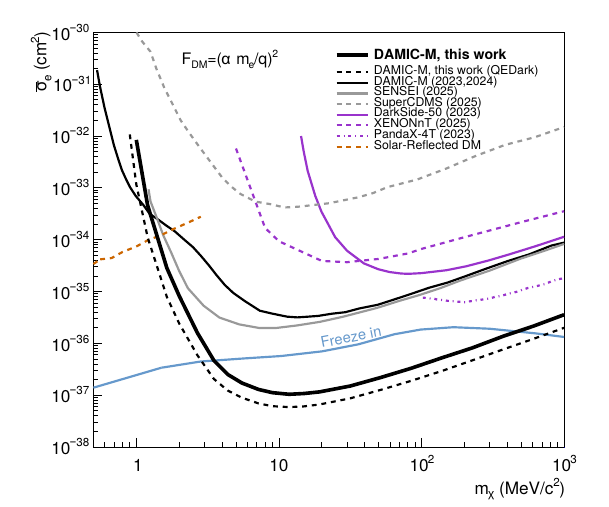
Our group helped found the DAMIC experiment in 2008. We are contributing readout electronics, mechanical components, and detector control and safety systems for the next phase, DAMIC-M. DAMIC-M has been taking data since 2022 in a prototype system known as the Low Background Chamber (LBC), which uses two CCDs that implement the final DAMIC-M design. Using the LBC, DAMIC-M produced in 2025 world-leading results for dark matter with sub-GeV masses that interact with electrons in the detector. Due to the exceptionally good charge resolution of provided by the CCDs, single electrons can be measured with a resolution of 0.16 e−1 , and a low energy threshold could be set, allowing new constraints on dark matter masses of between 1 and 1000 MeV to be set. The cross-sections probed allow theoretical predictions of freeze-in and freeze-out scenarios to be tested for the first time. The full DAMIC-M experiment is expected to be constructed by the end of 2026.
The UZH group is also developing a new approach to DM searches using CCDs, in which nuclear recoils from potential DM signals can be identified through the electronic characteristics of defects that are produced in the silicon. This breakthrough, outlined in our 2024 publication [2], may lead to improved sensitivity for DM searches, as well new experiments optimized to this new method of detection.
-

- Zoom
-
New constraints from DAMIC-M on the cross-section for DM interactions with electrons as a function of mass. Shown also are previous results from DAMIC and other relevant experiments. "Freeze-in" dark matter is produced very slowly through extremely weak interactions as the universe cools down, so its relic abundance accumulates gradually in the early universe, never reaching thermal equilibrium. Predicted cross-sections for the freeze-in benchmark scenario shown are excluded for the mass range in which the DAMIC-M result (solid black line) is below the theoretical curve for freeze-in (solid blue line).
Highlighted Publications:
- Probing Benchmark Models of Hidden-Sector Dark
Matter with DAMIC-M, Phys. Rev. Lett. 135, 071002 (2025), arXiv:2503.14617.
- Nuclear Recoil Identification in a Scientific Charge-Coupled Device,
K. J. McGuire, A.Chavarria, N.Castello-Mor, S. Lee, B. Kilminster, et al.,
arXiv: 2309.07869, Phys.Rev.D 110 (2024) 4, 043008.
Prof. Björn Penning - Dark Matter Searches

The research group is interested in a wide range of dark matter (DM) searches. The group performs direct DM searches at the LUX-Zeplin (LZ) experiment located in South Dakota, providing leading sensitivity to WIMP-type dark matter using a 7 tonne liquid xenon target. The group is deeply involved in dark matter analysis, calibration of the central detector, the time projection chamber, rare decays, and the outer veto detector. The group is also a member of the DARWIN and XLZD collaborations, contributing to R&D for building the ultimate (60- 80 tonne) liquid xenon observatory.
Prof. Penning is a founding member of a novel low-mass dark matter experiment, TESSERACT to be installed in the Modane underground laboratory. The group is also involved in development and characterisation of new quantum sensing technologies for dark matter searches through the QROCODILE experiment.
Status of Dark Matter (DM) Searches
Astrophysical observations provide strong evidence for the existence of DM, which dominates the matter density of the Universe while interacting only very weakly or not at all with ordinary matter. Well-motivated as a thermal relic, the weakly interacting massive particle (WIMP) is a leading hypothesis for DM, arising in a number of beyond-the-standard-model theories. Direct detection experiments, searching for interactions between DM particles and a detector target are placing ever more stringent constraints on these particles.
For DM with weak-scale masses, the group participates in the LZ collaboration to provide the worlds strongest constraints on DM using around 7 tonnes of liquid xenon as a target. This year, the collaboration was able to extend its analysis to lower energies to observe evidence for solar neutrinos hitting the detector with a significance of 4.5 sigma. This effort also yielded better limits than ever before for WIMPs between 5-10 GeV/c2 . In addition, members of the group searched for even lower-mass DM accelerated by astrophysical sources with LZ and XENON published data. The group has also contributed to operating the XENOSCOPE pathfinder with the group of Prof. Baudis, as well as to the next-generation XLZD effort.
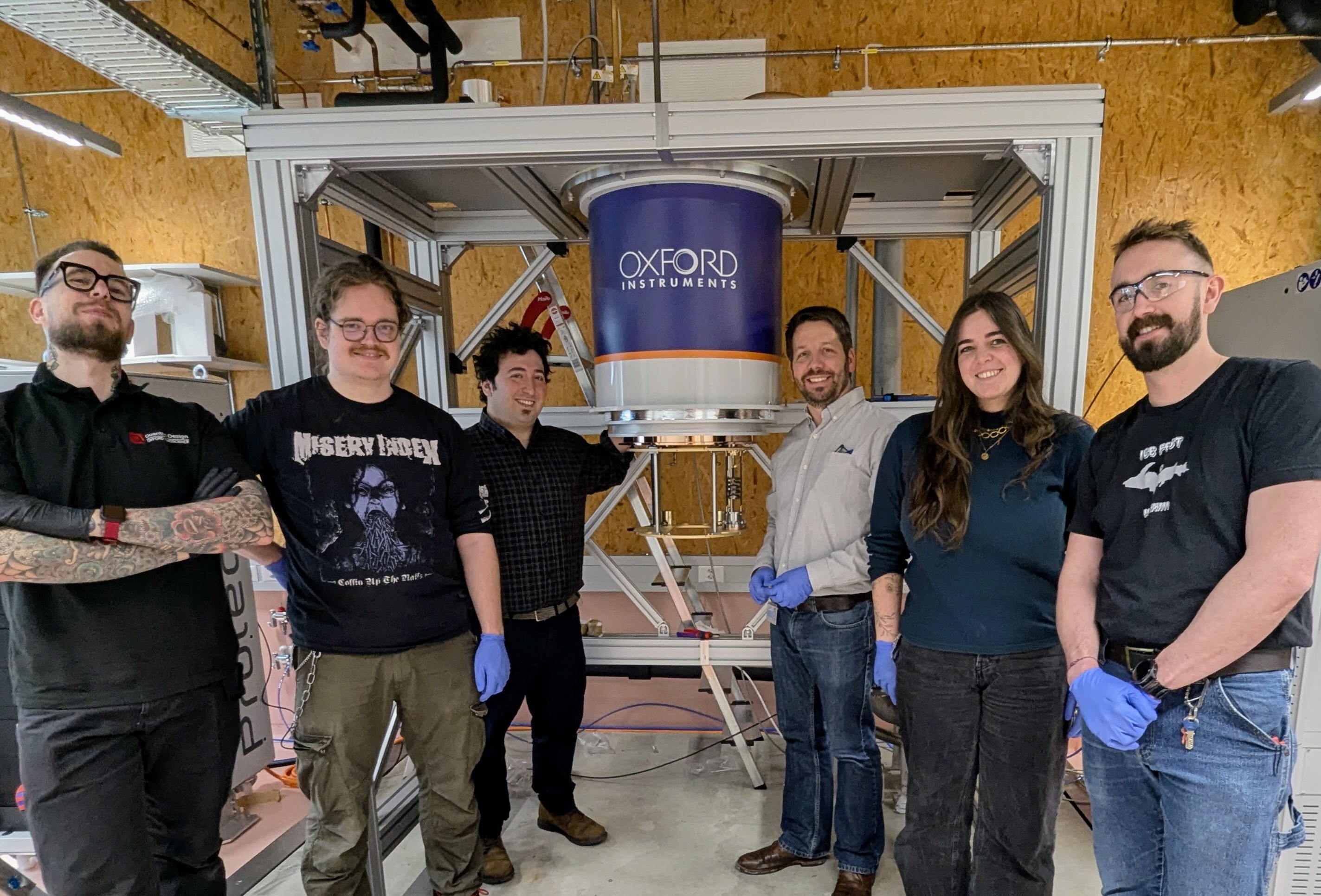
At lower mass, cryogenic quantum sensors with ultra-low detection thresholds expand the DM search landscape. TESSERACT aims to substantially improve upon this surface DM search, as well as search for other DM interactions, with a plan to deploy a novel multi-target system using gallium arsenide, superfluid helium and sapphire in the Modane underground laboratory before the end of the decade. The group is leading design and simulation efforts for the shield which will shelter these detectors from radioactive backgrounds, and has recently taken delivery of a dilution refrigerator identical to the TESSERACT ones, which reached 0.006K on its first commissioning run, and which will allow the group to investigate sensors and operation concepts for TESSERACT.
Lastly, Penning has led a major effort to propose a new Swiss underground physics laboratory in the Bedretto tunnel. A dedicated measurement campaign demonstrated a competitive background level to already operating underground laboratories. A flexible, easy-to-access facility is ideal for quick prototyping or measurements, and the proposal has attracted interest from many Swiss groups. The 17 science cases included in the proposal range from dark matter searches and radiopurity measurements to gravitational waves and planetary science.
-

- Zoom
-
Members of the Penning group posing in front of the recently installed dilution refrigerator.
Highlighted Publications:
- Searches for Light Dark Matter and Evidence of Coherent Elastic Neutrino-Nucleus Scattering of Solar Neutrinos with the LUX-ZEPLIN (LZ) Experiment,
LZ Collaboration (2025), arXiv:2412.16279 [hep-ex] - Setting limits on blazar-boosted dark matter with xenon-based detectors,
E. Barillier et al. (2025), arXiv:2509.07265 [hep-ex] - Characterisation of the Bedretto Underground Site for Fundamental Physics Experiments,
B. Penning et al. (2025), arXiv:2512.14815[hep-ex]
Prof. Marcelle Soares-Santos - Astrophysics and Cosmology Experiments


Our group focuses on uncovering the physics of the accelerated expansion of the universe. We combine data from optical/near-infrared cosmic surveys with data from gravitational-wave observatories to realize powerful multi-messenger analyses. We advance the state-of-the-art in the field through our instrument science research.
We are members of the collaborations DES and LSST, which have built the most powerful telescope cameras world-wide. We are members of LIGO, the most sensitive gravitational-wave observatory ever built.
Together, observations from these experiments blaze a trail for a major leap in our understanding of the universe.
The fourth LIGO-Virgo-KAGRA Observing Run
The network of gravitational-wave observatories comprising LIGO, Virgo, and KAGRA (in the United States, Italy, and Japan, respectively) concluded its fourth observing run (O4) on November 18th 2025. The run, which began on May 24 2023, yielded hundreds of new gravitational-wave detections. A sample of 128 events resulting from the first third of the run (O4a) was reported in the Gravitational-Wave Transient Catalog version 4.0 (GWTC-4.0). This sample was used, in combination with data from previous runs, to obtain constraints on the cosmic expansion rate and modified gravity models in a paper co-led by our group (arXiv:2509.04348). During O4, our group led a search program for the electromagnetic counterparts of a subsample of well-localized gravitational-wave events using the Dark Energy Survey Camera and partnering with other teams for spectroscopic followup support. A first paper from this effort, focusing on a singular event of particular significance, was published (arXiv:2508.00291) and a second paper including a larger sample of events is forthcoming.
Ongoing analyses of the O4b and O4c data sets include new cosmological measurements and constraints on emission models for electromagnetic counterparts of binary black hole mergers which are hypothesized to be observable in cases where the merger occurs in gas-rich environments.
-
- Zoom
-
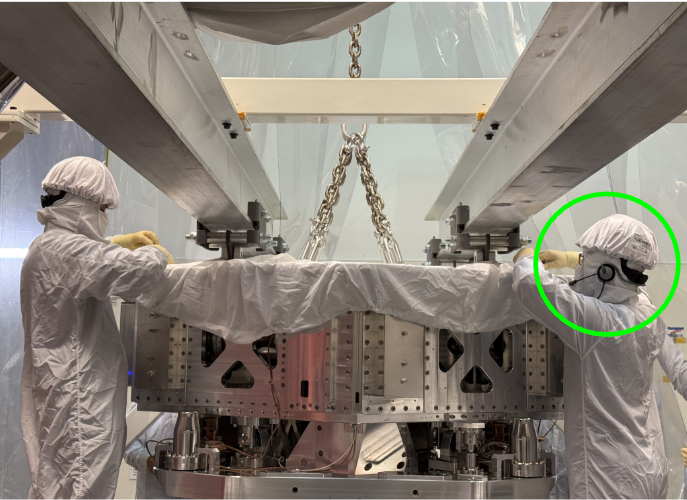
The UZH group has contributed to operations and instrument science activities in LIGO. Here, PhD student Isaac MacMahon is pictured working on an optical table installation at one of the LIGO sites, in Livingston, Louisiana, where he was stationed for six months in 2025.

Highlighted Publications:
- GWTC-4.0: Constraints on the Cosmic Expansion Rate and Modified Gravitational-wave Propagation.
LIGO-Virgo-KAGRA Collaboration,
Astrophys. J. Lett., arXiv:2509.04348. - A Joint Search for the Electromagnetic Counterpart to the Gravitational-Wave Binary Black-Hole Merger Candidate S250328ae with the Dark Energy Camera and the Prime Focus Spectrograph.
H. Zhang et al. Astrophys. J., arXiv:2508.00291. - Dark energy survey year 3 results: cosmology from galaxy clustering and galaxy-galaxy lensing in harmonic space.
L. Faga et al. MNRAS 536 (2025) 1578. - Copacabana: a probabilistic membership assignment method for galaxy clusters
J. Esteves et al. MNRAS 536 (2025) 931.
Groups from the Institute for Astrophysics
The research groups of the Department for Astrophysics work on theoretical and computational astrophysics and cosmology.
In what follows scientific highlights from these different groups over the course of 2025 are reported.
Yoo’s group developed a comprehensive theoretical framework to describe the cosmic dipole fluctuations such as the dipole in the cosmic microwave background, galaxy clustering, and the luminosity distance. Recent measurements of these cosmic dipoles appear mutually inconsistent, posing a significant challenge to the standard model, in which all the cosmic dipoles should be aligned. The framework was used to explain the observational tensions in galaxy clustering and clarify the misconception in the literature. Future observations would clarify whether the observational tensions persist and we need an alternative model to the standard model of cosmology.
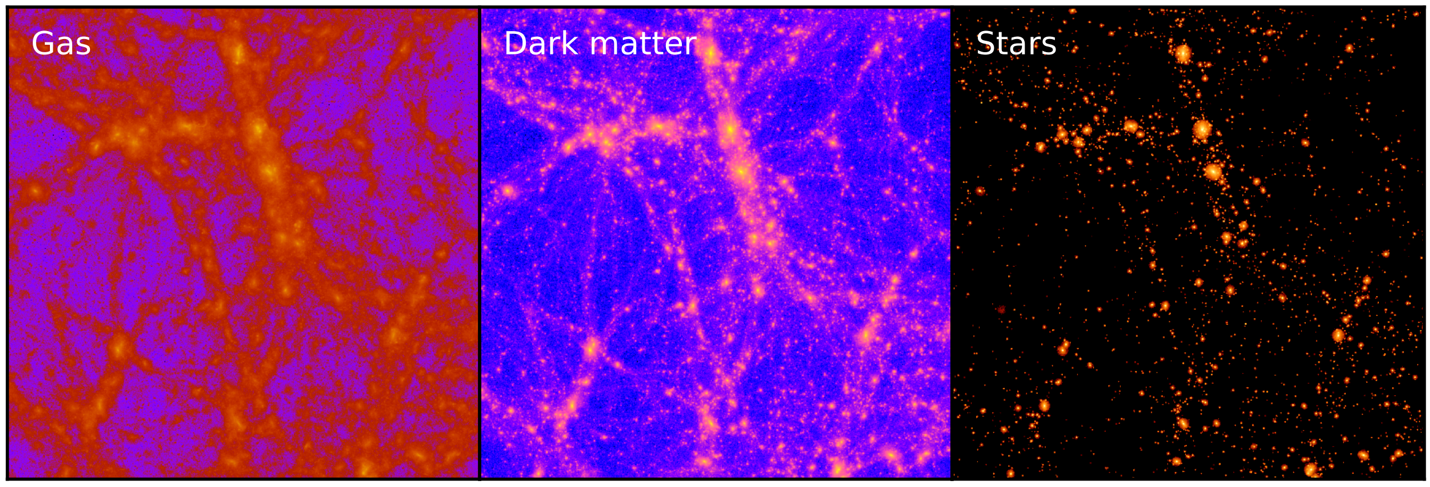
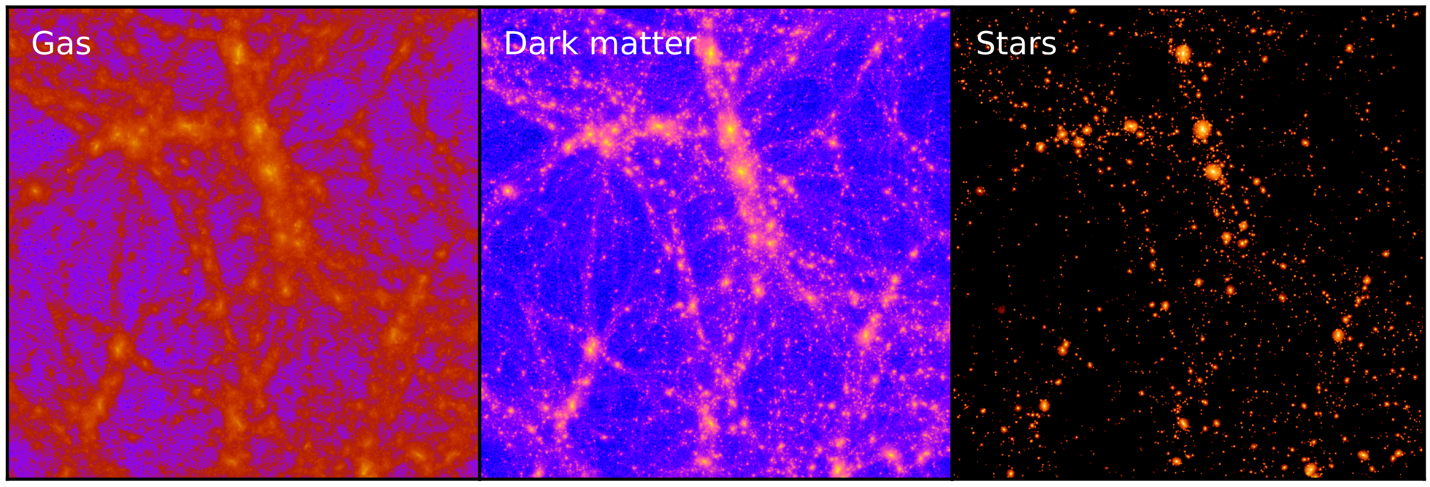
Schneider’s group has focused on multi-probe cosmological analysis, using both Euclid data and other publicly accessible observables. They have published a new framework to model nonlinear cosmological probes including dark matter, stars, and gas (Schneider et al 2025, JCAP, 12, 043). This includes weak lensing, galaxy clustering, X-ray, and Sunyaev-Zeldovich observations. The group has also concentrated on modeling the high-redshift universe during the epoch of reionization, using (and developing further) their new code BeoRN.
-
- Zoom
-
Gas, dark matter and stellar components from a multiprobe cosmological analysis (Schneider et al 2025).
Stadel’s group continued its contribution to the Euclid mission. The Euclid – Flagship 2.0 Mock Galaxy Catalog was completed and made public in the ESA press release on Sept. 22, 2025. This Mock Galaxy Catalog was critical for the Q1 data release (19. Mar. 2025) and will be updated for the DR1 (first data release). The N-body simulation that was used to produce it was the world’s largest at 4 trillion particles. This simulation was performed using the pkdgrav3 N-body code by Stadel and Potter using a PRACE computing allocation on the Piz Daint supercomputer at CSCS Lugano. A new suite of “blind cosmology” simulations developed by Potter and Stadel on the Marenostrum 5 will test for biases where the cosmological parameters remain unknown/secret. Stadel’s group also continued work on planetary collisions. A material strength implementation was added by T. Meier to pkdgrav3. This allows for more realistic simulations of smaller rocky bodies, such as asteroids in our Solar System. Thomas Meier published the first in a series of papers (arxiv:2511.11425 2025) on this high performance SPH code with the second paper (to be submitted 2026Q1) devoted to the material strength implementation and tests. A new computer time proposal at CSCS was again granted to study collisions during the formation of the Solar System.
Feldmann’s group combined cosmological simulations, machine learning, and JWST/ALMA observations to study galaxy formation across cosmic time. The group developed EMBER-2, a deep-learning framework that efficiently predicts baryonic properties from the dark-matter distribution. Other studies investigated the star formation activity and the structure of galaxies and the role of black holes, providing new insight into how feedback, environment, and gas cycles shape galaxy evolution. The research was carried both with the help of cosmological galaxy formation simulations such as FIREbox and through participation in major JWST programs, including UNCOVER and MINERVA. The group also published a review on cosmological simulations of galaxies, highlighting key methods, challenges, and future directions in the field (Feldmann & Bieri, Encyclopedia of Astrophysics, Vol 4, 2026). ARRAKIHS was selected by ESA in November 2022 as its next F-class mission with the aim of testing the nature of dark matter. Ben Moore is the Swiss PI of the mission and Switzerland is playing a key role in this mission in instrumentation and management. We are on target to launch in 2030 which would be a record for the fastest ESA mission from proposal to launch. ESA have described our progress as a gold standard for future missions. The Department of Astrophysics has assumed a leadership role not only for the scientific coordination but also for the Swiss contribution to the instrument's Thermal and Structural Subsystem (TSS). To fill the gap in engineering competences, we have formed a project team integrating expertise from KOEGL Space and the Universities of Applied Sciences FHNW, ZHAW, and HSLU. In addition, we recruited two dedicated thermal engineers for the project at UZH. ESA will decide on mission adoption in May this year.
-

- Zoom
- Simulated MW-type galaxy and its halo. (Credit: ARRAKIHS Mission Consortium).

Mayer’s group discovered a new way to detect supermassive black-hole binaries by measuring their perturbation onto the gravitational wave signal from stellar mass binaries (Stegmann et al., 2024, Nature Astronomy, 8, 132). Using cosmological hydrodynamical simulations at very high redshift they showed how the largest black holes in the Universe can be formed by direct relativistic collapse of gas in a supermassive gas disk (SMD) without prior formation of a supermassive star. Finally, using a Bayesian data analysis framework they published the first forecast for the concurrent detection of eccentricity and environmental perturbations from the gravitational-wave in-spiral signal of massive black-hole binaries in the LISA band, showing how to infer properties of the accretion disk in which the binary is embedded (Garg et al., 2024, MNRAS 532, 4060).
Ita’s group published precise waveforms of scattering black holes with spin corrections (Bohnenblust et al., JHEP 12 (2025) 100). They also contributed to particle-physics phenomenology by providing precision computations for the production of two jets and a heavy vector boson in proton collisions (De Laurentis et al., JHEP 06 (2025) 093) and precise predictions for charged Higgs pair production at the LHC. The group also contributed new methods for the computation of Feynman integrals which contain elliptic functions and their generalizations.
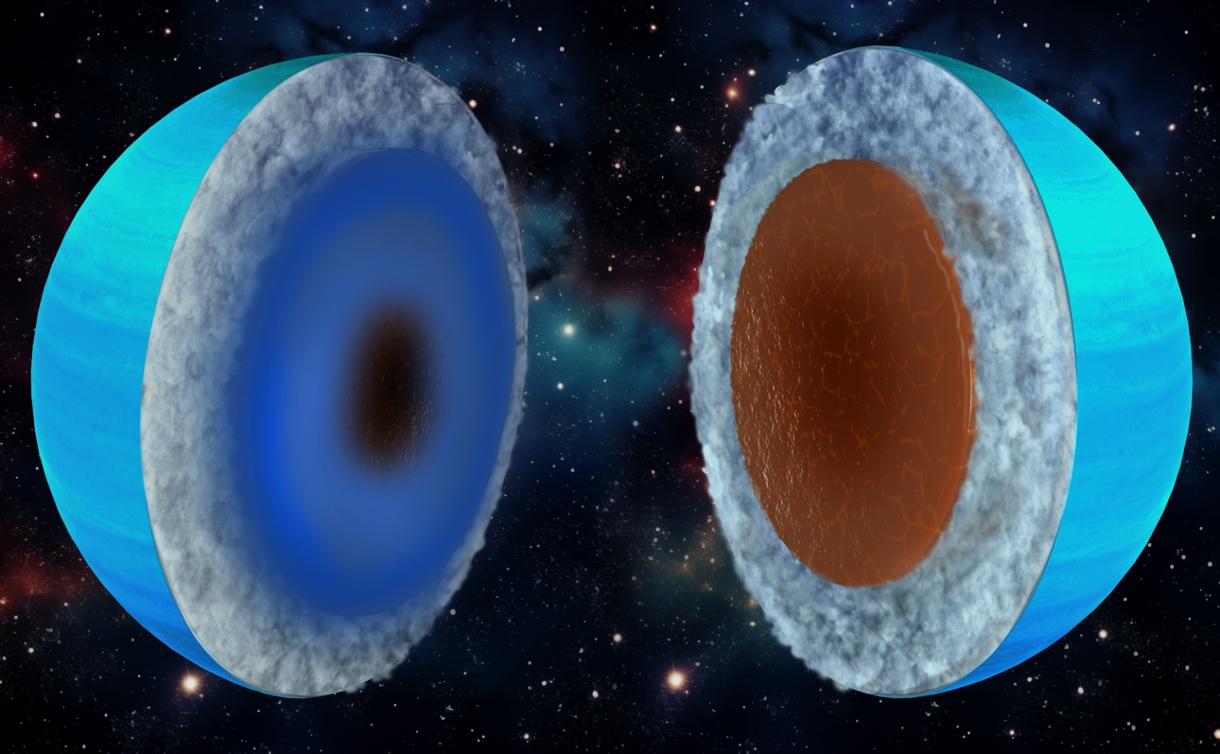
Helled’s group continued to explore planets in the Solar System and planets around other stars with the focus on interior models, and planet formation and evolution simulations. We presented new interior models of Uranus and Neptune showing that the planets can be rock-dominated and non-adiabatic (Morf & Helled, 2025, A&A, 704). A press release followed and generated about 400 articles worldwide and is top five in the UZH Hitlist for year 2025. We also showed that measuring the atmopheric composition of gaseous exoplanets can reveal key information on their formation (Knierim & Helled, 2025, A&A, 689L) and released an open-source code to model the evolution of giant planets (Helled et al., 2025, A&A 704).
-

- Zoom
-
Uranus could be an ice giant (left) or a rock giant (right) depending on the model assumptions (Morf & Helled, A&A, 2025). Image: Keck Institute for Space Studies/Chuck Carter)
The group of Mazzola provided a new equation of state for hydrogen, with applications in planetary science (Cozza et al., eprint arXiv:2501.12925). They solved the longstanding technical problem of calculating entropy from first-principles atomistic simulations, an issue that had affected equations of state for about a decade. They used highly accurate quantum mechanical methods to compute a final equation of state for dense hydrogen. Their results indicate that hydrogen is denser under planetary conditions compared to the state-of-the-art equations of state used today. This has important consequences for the interior modeling of gas giant interiors. Adamek and Lepori coordinated the MIAPbP programme "Big Data, Big Questions: The Future of Cosmological Surveys" that brought together more than 70 experts leading the fields of extragalactic observations, cosmological data analysis, and theoretical modeling, to develop the best tools and strategies to leverage the ongoing data revolution in cosmology. Adamek implemented a full port of the high-performance relativistic particle-mesh code "gevolution" to CUDA, so that the code can now be run efficiently on top-tier HPC systems, including the new Piz Daint supercomputer at CSCS. The public release is planned for early 2026. Adamek’s group has also developed a novel methodology to run large N-body simulations of structure formation for a universe with non-vanishing spatial curvature. The methodology is published in arXiv:2508.20606 (JCAP in press), and a first application is currently work in progress.
Table of contents
- Prof. Philippe Jetzer - Astrophysics and General Relativity
- Prof. Prasenjit Saha - Theoretical Astrophysics
- Prof. Prasenjit Saha - CTA – Cherenkov Telescope Array
- Prof. Laura Baudis - Astroparticle Physics Experiments
- Prof. Ben Kilminster - DAMIC Experiment
- Prof. Björn Penning - Dark Matter Searches
- Prof. Marcelle Soares-Santos - Astrophysics and Cosmology Experiments
- Groups from the Institute for Astrophysics